The end of internet cafes: why were they so popular?
Adverts
O end of internet cafes In the Brazilian urban landscape, one of the most fascinating chapters of digital inclusion and youth culture of recent decades came to an end.
In the early 2000s, these commercial establishments functioned as the official internet access points for most of the population.
Understanding the factors that caused the decline of these spaces helps to map the country's rapid technological evolution.
Why did internet cafes dominate the urban landscape in the 2000s?
Home access to broadband internet and high-performance computers represented an inaccessible luxury for the vast majority of Brazilian families at the turn of the millennium.
Adverts
The prohibitive costs of equipment and dial-up telephone connection fees were pushing young people towards the shared access market.
Internet cafes emerged precisely to meet this pent-up demand, offering state-of-the-art infrastructure at an affordable hourly rate.
There's something unsettling about the collective nostalgia for that era, because these spaces were much more than just technical data processing centers.
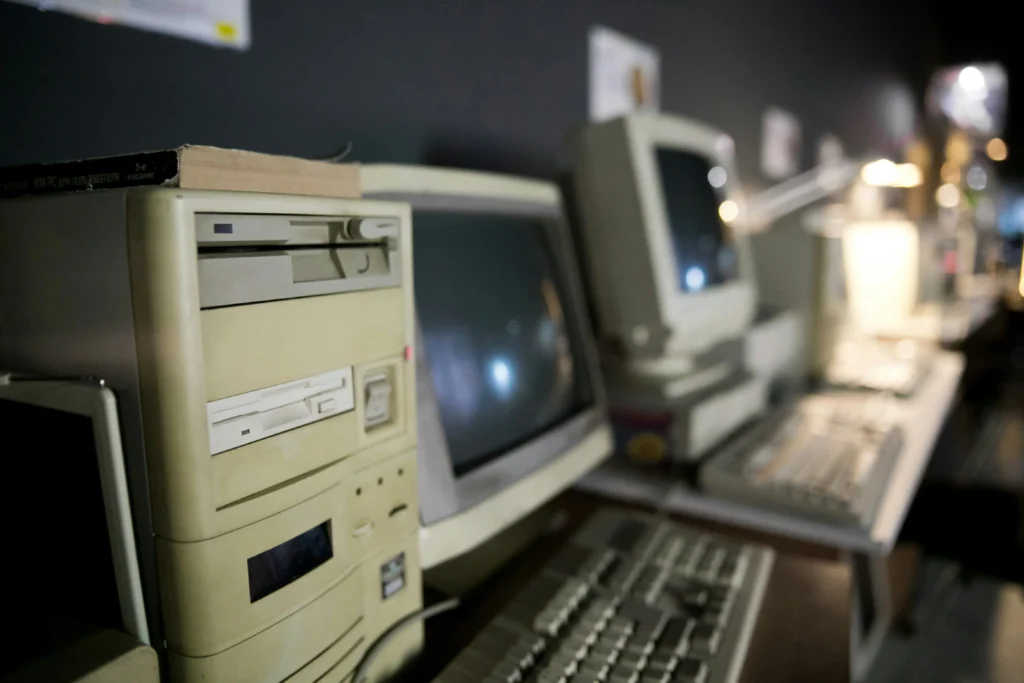
The noisy classrooms, filled with CRT monitors, served as true social meeting points and centers of cultural effervescence for teenagers.
The first physical esports communities were born there, where local rivalries were decided in intense shooting game championships.
The need to fill out public forms, issue government documents, and create early virtual resumes also drew adults to the service desks.
This diversification of target audiences ensured stable revenue and exponential growth for thousands of micro-entrepreneurs in the outskirts of Brazil.
Businesses democratized technology long before the widespread arrival of modern mobile data plans.
What economic and technological factors have made these spaces obsolete?
The progressive decrease in the price of laptops and the easing of bank credit allowed the middle class to finally bring computers into the home.
Meanwhile, stable internet plans via cable and fiber optics began to expand their geographic coverage, reducing the need for physical travel.
The inevitable advancement of these structural factors has pushed the traditional business model toward accelerated financial decline.
This is often misinterpreted by those who believe that... end of internet cafes It happened suddenly and without prior warning in the market.
The final blow came with the smartphone revolution and the consolidation of wireless networks, which transformed the internet into something portable.
Spending hours sitting in a commercial booth has lost its meaning since consumers gained the power to access any service in the palm of their hand.
The rising costs of upgrading computer hardware for new games also made it unfeasible for smaller neighborhood businesses to maintain their operations.
Business owners faced increasingly squeezed profit margins due to the constant rise in commercial electricity bills.
Physical obsolescence, coupled with changing consumer habits, has forced the permanent closure of thousands of businesses across the country.
How has the video game market adapted after the migration from local area networks?
The gaming industry recognized the change in behavior and migrated its physical servers to a high-speed cloud environment.
Cooperative games that once required friends to be physically present in the same room have gained robust online voice chat systems. The socialization experience of LAN houses has been transported into bedrooms through integrated digital networks.
Historical data on digital inclusion, consolidated in official surveys, Brazilian Internet Steering Committee (CGI.br) They detail this structural transition of devices over the years.
Reports confirm how cell phones have taken the absolute lead in daily internet access across all social classes in Brazil.
Read more: Technological tools to improve Wi-Fi and connection stability.
This statistical change validates the economic reasons behind the closure of these former centers of computing.
Today, the rare survivors of this market have changed their names and operate under the premium concept of high-performance esports arenas.
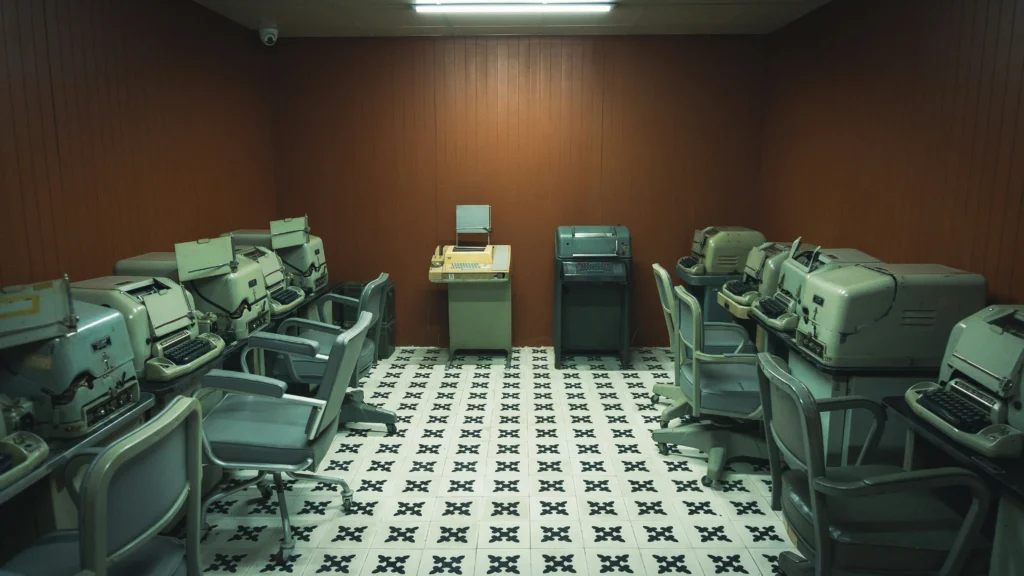
These modern setups cater to a niche audience of competitive gamers seeking professional equipment that is impossible to afford for everyday home use.
The old neighborhood computer store has transformed into a gourmet and highly specialized entertainment center.
Comparative table of the evolution of digital access in Brazil
The transformation of connectivity habits reflects the evolution of available technologies and the drop in access costs for the average citizen.
Know more: Universal USB-C connectivity and its impact on consumers.
We have compiled the main structural differences between the significant periods of the internet in the national territory.
| Access Features | Golden Age of LAN Houses (2000-2010) | Consolidated Digital Landscape (2020-2026) |
|---|---|---|
| Main Device | Desktop Computer | Smartphone / Mobile Devices |
| Connection Location | Neighborhood Commercial Establishments | Home / Ubiquitous Mobile Networks |
| Average Speed | Shared lines from 1 Mbps to 10 Mbps | Fiber Optics and High-Speed 5G |
| Cultural Focus | Local Network Gaming and Physical Communities | Social Networks, Streaming and Cloud Gaming |
The cultural legacy of shared connection
Remembering the history of these establishments allows us to appreciate the foundations that shaped the first internet users of the Brazilian digital age.
Internet cafes played a historic social role by digitally educating an entire generation of workers and content creators.
Read more: Digital security during the holidays: how to protect your devices and data at the end of the year.
They proved that technology reaches its full potential when it promotes genuine human connection and interaction.
O end of internet cafes This simply signals the end of a commercial engineering cycle that has become incompatible with modern mobility.
Memories of late-night gaming sessions with friends remain indelibly etched into the identity of national pop culture.
Looking to the past helps us understand the speed of the transformations that continue to reshape the country's technological future.
To understand current sociological indicators on the use of information and communication technologies in Brazil, consult the statistical databases of... Institute for Applied Economic Research (IPEA).
Frequently Asked Questions (FAQ)
What were typical local area network (LAN) games like back then?
LAN games used physical cables to connect the store's computers on the same internal network without relying on an external internet connection.
This ensured maximum response speed in matches, eliminating the delays common in connections of that era.
Are there still internet cafes operating in Brazil today?
Yes, but they abandoned the traditional general access format and today operate as high-end gaming arenas or integrated centers for printing services and technical assistance.
The focus has shifted from basic access to a high-performance experience.
Why did smartphones contribute to the closure of internet cafes?
Smartphones have made internet access cheaper and distributed connectivity in an individual and portable way throughout the country.
The ease of accessing social networks at any time has eliminated the need to pay for the use of commercial computers.
Were internet cafes regulated by specific laws?
Yes, over the years municipalities have created strict laws controlling the entry times for minors and requiring formal registration of users.
These bureaucratic requirements have increased the operating costs for owners of smaller establishments.