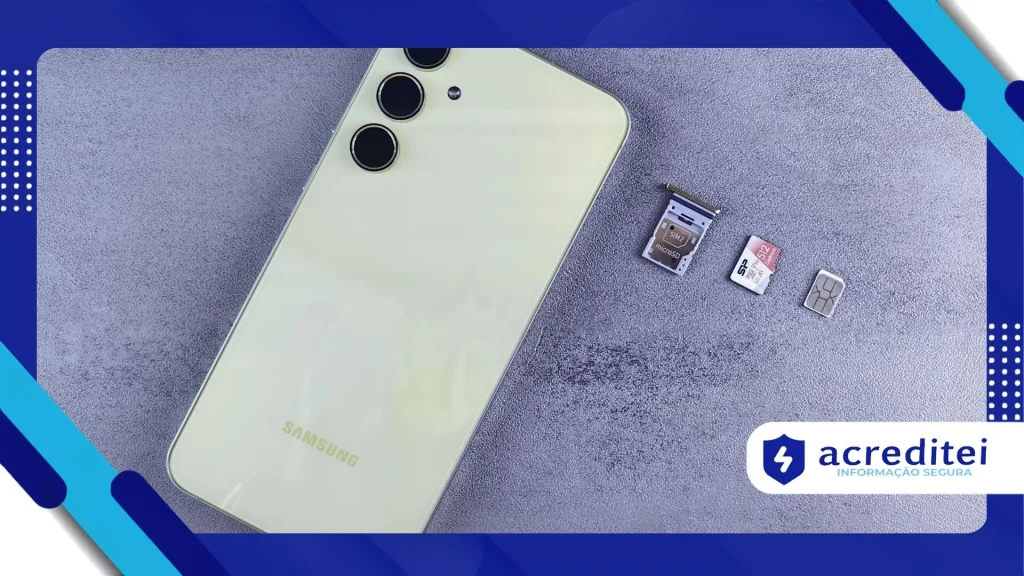
How satellite connectivity is changing smartphone use in remote areas.
Adverts
The expansion of satellite connectivity The use of common mobile devices represents one of the most impactful revolutions in telemetry and personal communication in isolated areas during this decade.
The ability to send emergency messages, share real-time locations, and access data networks without relying on terrestrial antennas redefines security in remote regions.
How does the integration between cell phones and low-Earth orbit satellite networks work?
Direct orbital communication for cell phones utilizes constellations of satellites in low Earth orbit (LEO) capable of connecting to the standard radio frequencies of modern devices.
This architecture eliminates the need for heavy parabolic antennas, allowing the smartphone itself to exchange data directly with satellites that crisscross the sky hundreds of kilometers away.
Adverts
Upgraded radio chips and advanced signal processing protocols automatically adjust for the Doppler effect caused by the rapid movement of space stations relative to the ground user.
The consolidation of satellite connectivity It transforms commercial devices into essential rescue tools for ecotourists, rural workers, sailors, and civil defense teams operating outside of cellular coverage.
Overcoming the physical limitations of signal propagation required billions of dollars in investments in gigantic space antennas capable of capturing extremely weak signals coming from small devices on the ground.
What are the differences between terrestrial cellular connections and direct orbital transmissions?
Traditional cellular networks rely on towers connected by fiber optics with a range limited to a few tens of kilometers, leaving vast rural and coastal areas completely unserved.
The spatial signal covers entire continental areas without geographical bottlenecks, although it has a more modest bandwidth and higher latency when compared to fifth-generation connections.
The table below compares the actual technical parameters between traditional mobile telephony infrastructure and direct space service to devices in the current technological landscape:
| Technical Parameter | Terrestrial Cellular Telephony (4G / 5G) | Direct-to-Cell Satellite Connectivity |
| Geographic Coverage | Restricted to urban centers and highways. | Global (Rural areas, oceans and deserts) |
| Average Signal Latency | 10 to 50 milliseconds | 60 to 150 milliseconds (LEO orbit) |
| Bandwidth per User | High (Download hundreds of Mbps) | Moderate (Initial focus on text, voice, and light data) |
| Dependence on Local Infrastructure | Elevated (Towers, energy and fiber) | Zero at the end-user level. |
Analyzing the data from this comparison reveals how the two architectures do not cancel each other out, but rather complement each other to close the planet's communication blind spots.
Why is this technology essential for security in isolated regions?
Emergency situations in dense forests, rural roads, or on the high seas demand rapid rescue responses, where mere minutes determine the preservation of human lives in danger.
The autonomous transmission of geographic coordinates via GPS to rescue centers bypasses the lack of signal from local operators, activating search protocols without operational delays.
To analyze coverage reports, radio frequency licenses, and telecommunications industry regulations in Brazil, access the portal of... National Telecommunications Agency (Anatel).
Adopt the satellite connectivity It reduces the costs of search and rescue operations by offering surgical precision to rescue teams in locating lost or injured people.
Agricultural workers, miners, and field researchers gain operational autonomy without the obligation to carry expensive radios or bulky adapters during their daily missions.
Which economic sectors gain more productivity with global coverage?
Precision agriculture benefits from the continuous tracking of tractors, agricultural machinery, and livestock on farms located far from large urban centers without access to conventional internet.
Logistics and freight transport companies monitor fleets in real time on the country's highways, preventing theft and optimizing routes through constant telemetry received from space.
Read more: Share your mobile internet with a more stable signal.
The adventure tourism sector is expanding its activities to national parks and isolated trails, keeping clients monitored and guaranteeing immediate medical support in case of accidents.
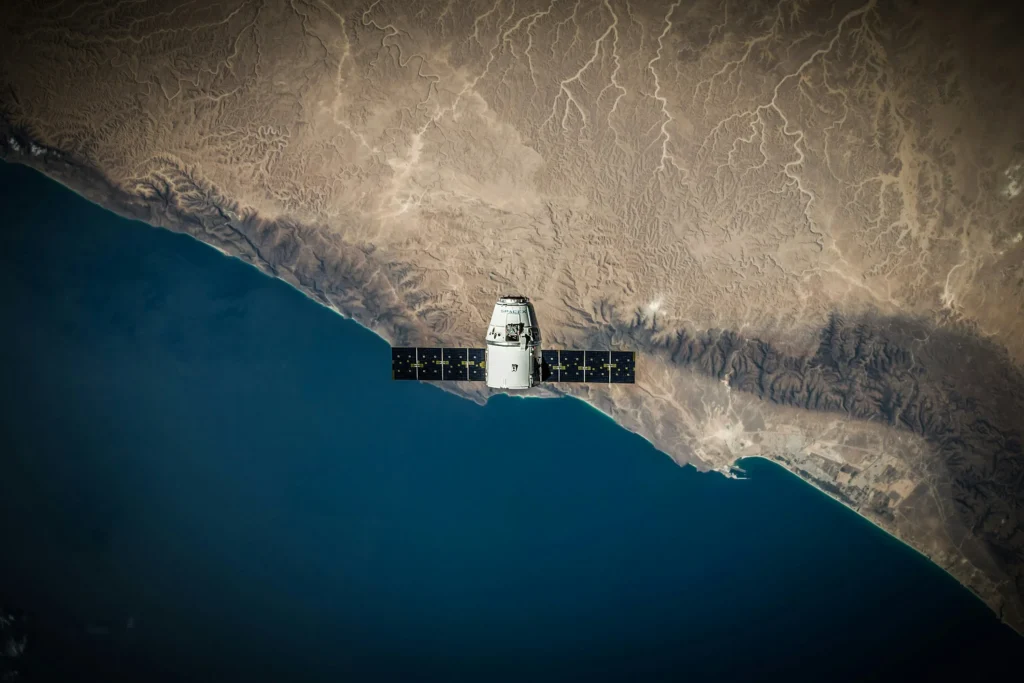
Riverside communities and native populations gain vital access to digital banking services, telemedicine consultations, and educational programs previously limited by the barrier of geographical distance.
Environmental projects aimed at combating illegal deforestation and forest fires receive instant data from sensors spread across the Amazon, strengthening rigorous territorial enforcement actions.
Where can I follow the evolution of international telecommunications standards and guidelines?
Multilateral agreements coordinate the allocation of frequencies and prevent harmful interference between the thousands of satellites orbiting the Earth and national communication systems.
Know more: How Satellites Capture Your Photos from Space — and Why It Matters
International agencies are establishing rules for the responsible use of low Earth orbit, ensuring space sustainability and the security of digital transmissions between continents and oceans.
To examine international treaties, mobile communication standards, and reports from the global radiocommunication industry, visit the portal of International Telecommunication Union (ITU).
The consolidation of satellite connectivity It democratizes digital inclusion in an unrestricted way, eliminating the physical barriers that have historically isolated geographic regions from technological development.
Following these innovations reveals how advances in aerospace engineering and microelectronics continue to bring people closer together and save lives in every corner of the world.
Universal and barrier-free connectivity for the future of mobile telephony.
The integration between satellites and smartphones consolidates an era in which total isolation ceases to exist, transforming the safety and productivity of those who live and work far from cities.
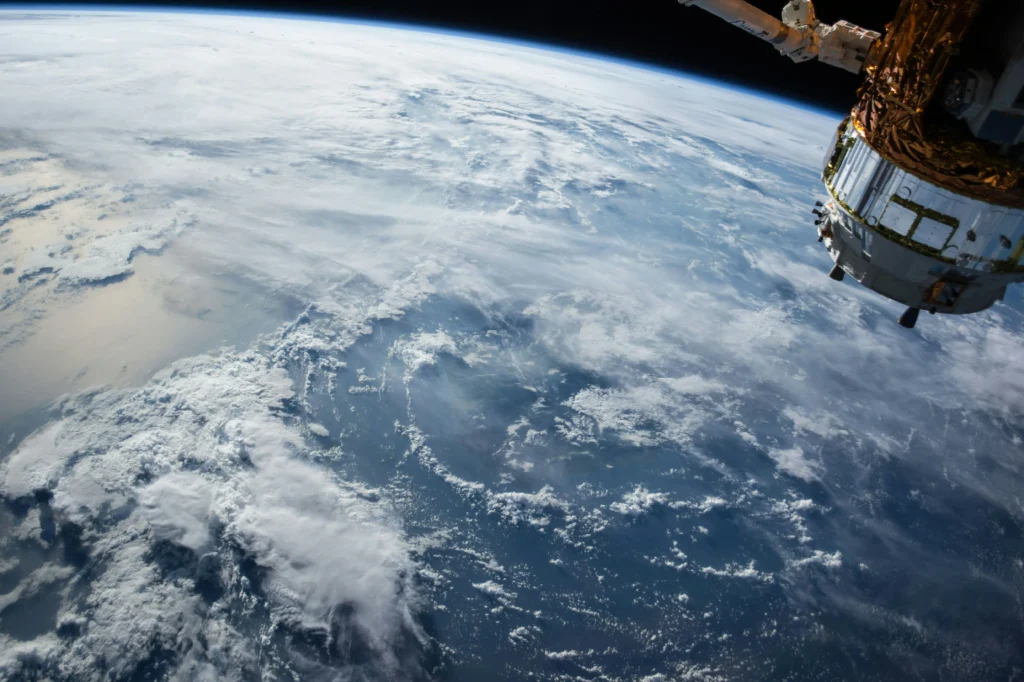
The continuous advancement of satellite connectivity It ensures that any citizen can call for help, send news, and stay located, regardless of the geographical conditions around them.
Read more: Interesting facts about modern satellites and the current global internet.
Take advantage of these technological advancements to plan your remote trips and operations with complete peace of mind, leveraging the security features already available in your pocket.
FAQ (Frequently Asked Questions)
Do I need to buy a special phone to use the satellite connection?
Not necessarily. The latest smartphones released by major manufacturers already have hardware and software support for direct orbital messaging and emergency calls.
Does satellite service work inside houses and buildings?
No. Because it uses high-precision, low-power radio frequencies, the device needs a clear, unobstructed view of the sky to establish a stable connection with the satellites.
Will satellite internet on mobile phones replace the 5G network in cities?
No. The focus of satellite signals for cell phones is to cover dead zones with essential text, voice, and light data services, while the 5G network offers very high speeds in urban areas.
How much does it cost for the end user to access this type of service?
Many manufacturers and carriers offer the emergency data feature for free in the first few years after purchasing the device, while advanced data plans continue to evolve into monthly subscriptions.