Bank fraud prevention technology: new layers of protection
Adverts
The implementation of a robust anti-fraud banking technology It became the central pillar for ensuring the custody of financial assets and the integrity of virtual transactions by 2026.
Faced with the emergence of highly sophisticated scams created by generative artificial intelligence, Brazilian financial institutions have had to completely redesign their cybersecurity defenses to protect their clients.
Protecting account holders requires going far beyond traditional static passwords, integrating systems that analyze behavioral data and invisible patterns in real time.
Summary: This article analyzes the evolution of fraud, details how new behavioral biometrics tools work, presents market security data, and answers the most frequently asked questions from users.
Adverts
What is behavioral biometrics in the financial ecosystem?
Unlike conventional static biometrics, which only analyzes your fingerprint or facial geometry, the behavioral approach examines the unique way you interact with your smartphone.
This technological innovation monitors the pressure applied to the virtual keyboard, the speed of data entry, the angle of inclination of the device, and even the rhythm of touches on the cell phone screen.
If a high-value financial transaction is initiated with typing patterns that are completely different from its mapped historical pattern, the system proactively freezes the operation for manual review.
In this way, the anti-fraud banking technology It can identify if the cell phone was stolen while unlocked or if the account holder is acting under serious physical or emotional duress from a criminal.
How does artificial intelligence analyze fraud in real time?
Artificial intelligence operates as an ultra-fast decision-making engine that processes millions of registration, geographic, and transactional data points in a fraction of a millisecond before authorizing any electronic payment.
Machine learning algorithms compare your historical spending profile with the requested transaction, identifying suspicious deviations in purchasing behavior that fall outside your usual spending pattern.
If a customer who usually makes small purchases in their city makes a large transfer to another state in the early hours of the morning, the transaction undergoes an instant multi-factor security check.
According to the technical and informational guidelines of Central Bank of Brazil, The security of the instant payments ecosystem requires the continuous evolution of dynamic mechanisms for customizable operational limits.
These analytical engines are able to block sophisticated scams before the money even leaves the client's account, mitigating losses in the billions that previously severely affected the national financial market.
What are the new layers of active protection adopted in 2026?
Banking platforms have integrated additional layers of cybersecurity that operate silently in the background, without disrupting the customer's daily experience using the mobile app.
Dynamic cryptographic tokens and real-time cross-geolocation now work together, comparing the physical geographic location of the mobile phone with the point-of-sale terminal where the card was used.
To structure and present a clear overview of the effectiveness of these modern digital protection methodologies, we have organized the most relevant technical information from the banking sector in the data table below:
| Security Layer | Technology Used | Fraud Reduction Rate | Main Advantage to the User |
|---|---|---|---|
| Behavioral Biometrics | Artificial Intelligence and Sensors | 85% to 92% | Detects intrusion even with the correct password. |
| Cross Geolocation | GPS and Telephone Networks | 75% to 80% | Blocks purchases made remotely from the physical device. |
| Data Tokenization | Advanced Cutting-Edge Cryptography | 98% | Prevents data leaks from your virtual card. |
| Key Reputation Analysis | Centralized Database | 80% | Identifies fake and shell accounts in the PIX system. |
Each of these layers operates in a coordinated and independent manner, ensuring that the eventual failure of one of the protection systems does not compromise the overall integrity of the entire banking infrastructure.
This structural technological redundancy provides extraordinary robustness to modern digital financial transactions, allowing millions of Brazilians to move their assets daily with complete operational peace of mind.
Why is tokenization of virtual cards indispensable?
The use of physical credit cards online has become a highly vulnerable practice due to the spread of spyware viruses specialized in capturing payment data saved in web browsers and computers.
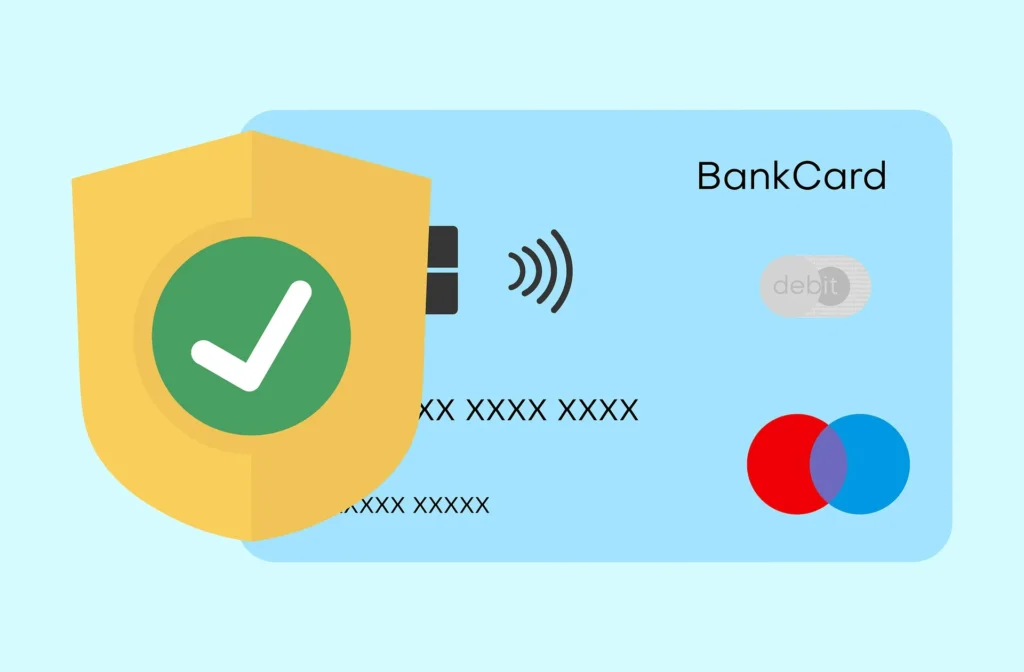
The answer to this problem lies in tokenization, which replaces the real data from your physical credit card with a unique encrypted key used exclusively for each online purchase made.
Therefore, implement the anti-fraud banking technology Using dynamic virtual cards ensures that, even if a merchant's data is breached, the copied number is completely useless to cybercriminals.
Read more: Organize your phone's home screen to increase productivity.
Most major banks in the country already automatically change the virtual card security code every few minutes, neutralizing attempts to clone credit cards in the digital environment.
What is the user's role in maintaining digital security?
Although technological tools for automated protection are incredibly advanced, the human link still represents the main entry point used by cybercriminals focused on social engineering.
Most current losses stem from convincing phone scams, in which the fraudster pretends to be a bank security employee to trick the victim into making voluntary transfers.
Know more: Apps to quickly identify songs playing around you.
Financial institutions never ask for access passwords over the phone, do not send links to update applications via text message, nor do they require the physical return of fraudulent credit cards.
To deepen your knowledge on how to identify common social engineering tactics and learn how to navigate the internet with complete digital security, access the detailed preventive guidelines from [link/source]. Internet Steering Committee in Brazil.
The horizon of a secure and resilient digital economy.
Continuously investing in advanced cybersecurity mechanisms is a fundamental requirement to maintain the credibility of the national financial system and protect the material assets of Brazilian families.
The close coordination between advanced biometrics, predictive artificial intelligence, and end-user awareness creates a virtually insurmountable defensive barrier for gangs specializing in high-tech cyber fraud.
Read more: What's the best banking app? Discover the best options!
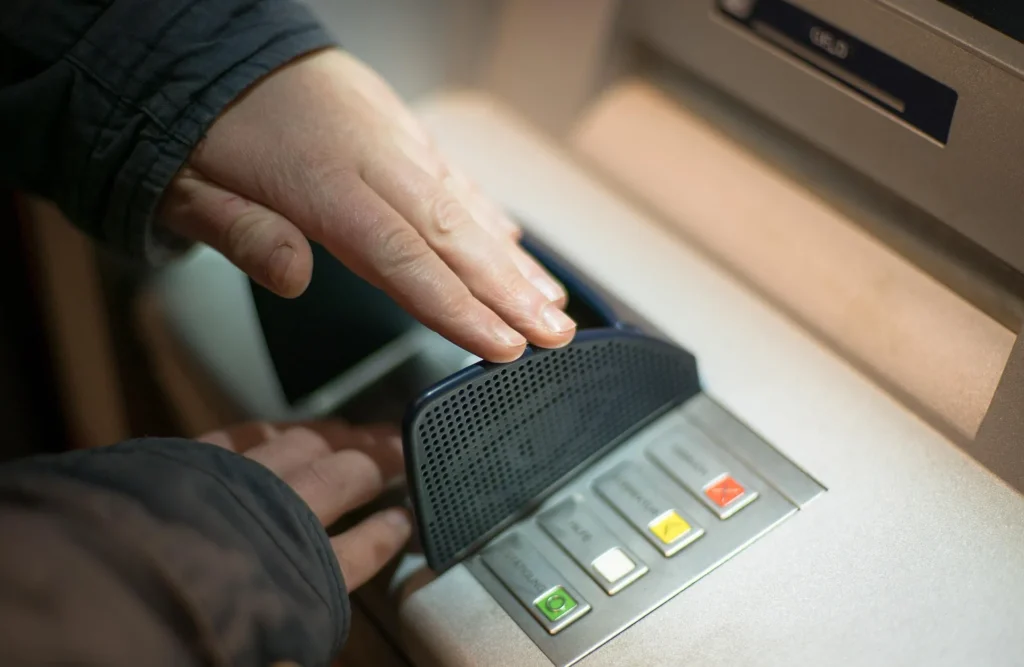
Adopting recommended digital security guidelines, enabling all extra layers of multi-factor verification, and being wary of suspicious contacts ensures that your digital financial experience is peaceful, secure, and fully protected.
FAQ (Frequently Asked Questions)
Can the bank identify if I'm being coerced into making a transfer?
Yes, behavioral biometric analysis can detect sudden changes in typing speed and pressure applied to the cell phone screen, which often occur under stressful situations.
How does the preventative security blocking of an account work?
The banking system's algorithms detect transactions outside the user's profile and temporarily block the account, requiring confirmation via facial biometrics to restore access to financial services.
Could the use of artificial intelligence lead to unwarranted account blocks?
Eventually, yes, but the systems are constantly evolving and learning to calibrate security decisions, avoiding disruptions in the daily use of the application by legitimate account holders.
Why is a dynamic virtual card more secure than a physical one?
The dynamic card constantly changes the CVV verification code, making it impossible for leaked or stolen data from websites and online stores to be used to make new online purchases.