Remove unnecessary app permissions and protect data.
Adverts
Remove unnecessary app permissions. It has become established as the most important technical procedure for smartphone users seeking to mitigate the risks of commercial espionage and data leaks in 2026.
The current mobile ecosystem is facing a significant increase in the development of utility software that demands abusive access to sensitive hardware components without any logical justification for its operation.
Cameras, microphones, calendars, and real-time locations become valuable commodities in the hands of aggressive advertising networks that operate silently in the background on the device.
Correcting this structural vulnerability requires a proactive digital auditing approach, applying native security configurations that block unwarranted telemetry collection.
Adverts
This practical guide details the dangers of invisible monitoring, methods for cleaning operating systems, data privacy abuses, and protecting confidential data.
What are abusive privileges on smartphones and how do they threaten your privacy?
Abusive privileges manifest themselves when utility software demands access to sensors that are not directly related to its main programming activity.
A common calculator that requests access to the contact list or an offline game that requires reading the photo storage exemplifies this suspicious scenario.
Understanding the impact of Remove unnecessary app permissions. It helps to stop the creation of detailed behavioral profiles built by international data mining companies.
These companies correlate seemingly harmless information to uncover users' consumption habits, financial routines, sleep schedules, and personal relationship networks.
Keeping access points open drains the device's physical resources, leading to excessive battery consumption and slow overall RAM processing.
Limiting concessions to the strictly necessary returns autonomy to the owner within the ecosystem, ensuring immediate operational stability for the smartphone.
How does real-time location tracking fuel the advertising market?
Geolocation sensors record the user's exact stopping points, indicating frequented commercial establishments, visited medical clinics, and daily travel routes.
Advertising networks cross-reference this location data with web search history to display highly targeted ads.
Blocking continuous tracking prevents the operating system from sending spatial coordinates when the smartphone screen is off or in sleep mode.
To review current legislation on cybersecurity, civil rights on the internet, and national information security guidelines, please consult the portal of... Federal Government of Brazil.
Configuring location access to function only during active software use drastically reduces the available external commercial monitoring surface area.
This simple change protects user integrity against social engineering attempts focused on their real-time geographic location.
Which software categories request the highest number of unauthorized access requests?
Identifying invasive behavior in installation packages requires technical analysis of the software's behavior when disconnected from the internet.
To assess which sectors of the software market require greater attention during the domestic security audit process, please refer to the analytical table:
| Category of Software Analyzed | Most Abused Permission | Hidden Commercial Justification | Risk of Data Leakage | Recommended Preventive Action |
| Free (Casual) Games | GPS Location and Storage | Regional Ad Targeting | High Risk of Profiling | Block Access Completely |
| Image and Video Editors | Contact List and Phone Number | User Social Network Mapping | Medium Risk of Direct Spam | Grant Access Only to Media |
| Utilities (Flashlights/Keyboards) | Microphone and Device Identity | Voice Keyword Capture | Critical to Industrial Espionage | Replace with Native OS Options |
| Social Networks and Messengers | Physical Activity and Bluetooth | Tracking Nearby Devices | Critical for Mass Monitoring | Configure Single Use Permission |
Analytical indicators prove that free software monetizes its operations through the silent collection and subsequent sale of data packages.
Constant monitoring by the user acts as the most effective protective barrier against corporate abuses of privacy.
Why does automatic privilege revocation prevent zero-day attacks?
Modern operating systems have built-in tools that remove security credentials from software that has not been opened by the user for several months.
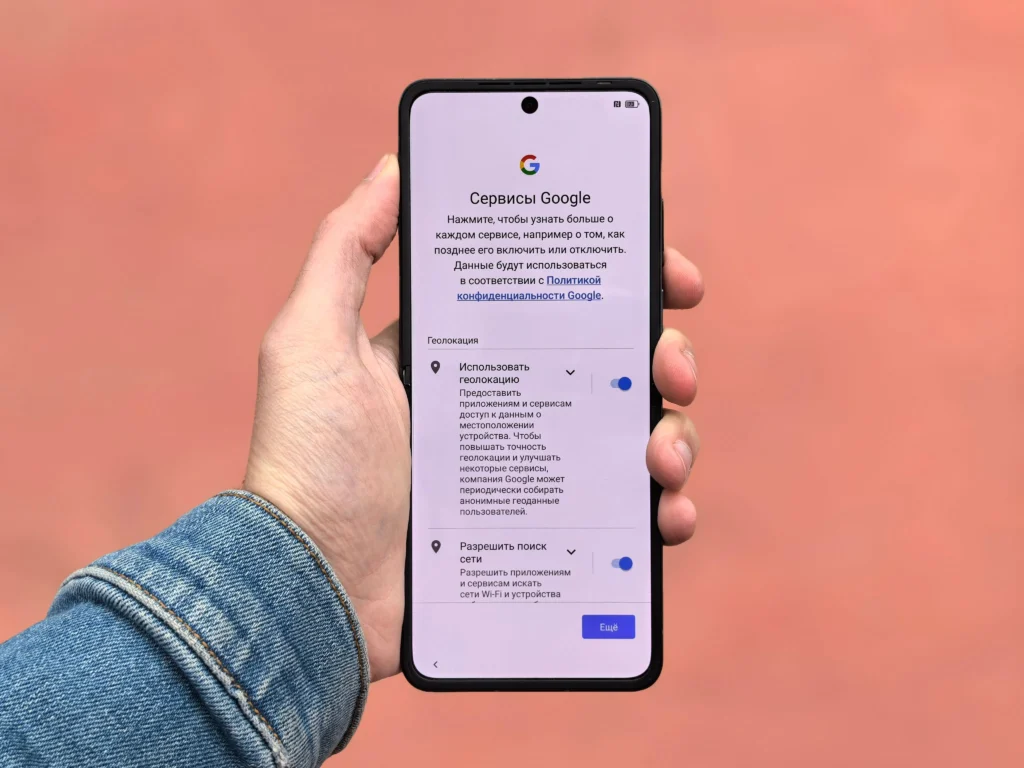
This automation prevents a forgotten utility in the menu from serving as an entry point for subsequent criminal digital intrusions.
Focus on Remove unnecessary app permissions. It reduces the chances of exploiting security flaws known as zero-day vulnerabilities.
Know more: Technological facts about the growth of digital data in the world.
If older software suffers a cyberattack in the cloud, criminals will not be able to access the internal data of your hardware.
This layer of passive protection becomes indispensable for users who have dozens of utilities installed and are unable to perform manual checks weekly.
Automated preventative security ensures that the mobile ecosystem remains clean, lightweight, and shielded against opportunistic cyber threats.
When should you use open-source solutions to replace abusive native tools?
Replacing proprietary software with open-source alternatives should occur when the original manufacturer demonstrates a lack of transparency in its contracts.
Read more: Technological tools for automatic backup and data protection.
Open-source programs undergo constant community audits, ensuring the absence of hidden commercial tracking systems in the programming.
Migrating to privacy-focused options allows users to manage their local files without needing to create mandatory corporate accounts.
This practice eliminates dependence on third-party cloud services, while maintaining complete control over stored information under the exclusive domain of the owner.
The Future of Digital Sovereignty in Everyday Technology
The increased maturity of users in addressing the challenges of digital security sets a new standard of demand for the global development market.
Demanding transparency in information gathering ceases to be a technical preference of experts and becomes an inalienable civil right of all.

Know more: On-device processing technology and data privacy
Maintaining a vigilant approach to managing mobile devices protects families' financial assets and privacy from digital threats.
Investing in conscious cyber hygiene habits consolidates a safer, more ethical, and respectful internet network regarding individual freedoms.
To explore scientific research on network security, data encryption, and high-reliability software engineering in Brazil, visit the [website/resource name]. Brazilian Computer Society (SBC).
Frequently Asked Questions (FAQ)
What happens if I block an app's permissions and it stops working?
If an application exhibits structural flaws after access is removed, it means the code was designed to force data collection.
It is recommended to uninstall this program immediately and seek competing options that respect the user's privacy choices.
Removing location access consumes more smartphone battery due to reprocessing?
No, revoking GPS access drastically reduces the power consumption of the device's processor and communication antenna.
The smartphone stops performing satellite searches in the background, extending the daily battery life.
Is the automatic permission revocation feature enabled by default?
In the latest versions of the Android and iOS operating systems, the idle protection feature is natively enabled for newly installed software.
However, it is essential to manually check the privacy panel to ensure protection in older programs.
Does granting access to photo storage allow the app to view all my files?
Yes, in older configuration models, granting access to storage would allow full reading of the smartphone's image gallery.
Modern systems circumvent this problem by offering the option to manually select only the specific photos that the software can use.