Reasons why current cell phones don't have removable batteries.
Adverts
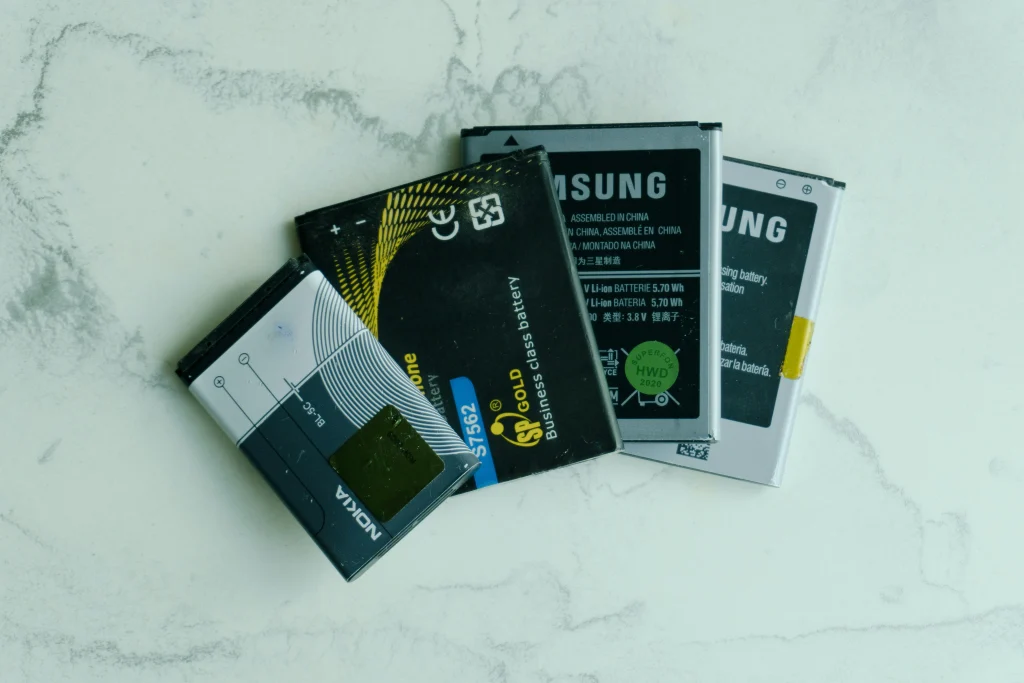
Understanding the disappearance of removable battery Developing modern smartphones requires analyzing industrial engineering decisions, demands for water resistance, and global mobile technology market trends.
The transition from modular designs to sealed structures has radically transformed the wearable device industry over the past decade, prioritizing chassis thinness and maximizing internal space.
Many consumers miss the convenience of instantly swapping out the battery cell at the end of a busy day, but the market has adopted new, stringent construction standards.
Analyzing the real architectural reasons behind this design change helps the reader understand the functional gains in durability, safety, and integration of multiple modern components.
Adverts
Technological advancements have enabled the creation of extremely thin and durable devices, replacing the ease of quick manual access with advanced features such as water resistance and ultra-fast daily charging.
Why have manufacturers abandoned removable batteries in modern devices?
Designing smartphones with removable plastic covers required bulky internal latches and rubber seals that increased the overall thickness and limited the usable space for other internal sensors.
The requirement for official certifications of protection against water and dust has forced hardware engineers to eliminate gaps and mechanical openings in the metal and glass chassis of the devices.
| Engineering Requirement | Traditional (Removable) Structure | Current Sealed Structure (Unibody) | Direct Benefit to the Consumer |
| Water protection (IP68) | Difficult to seal against liquids and dust. | Hermetically sealed with special adhesives. | It withstands accidental immersion in fresh water. |
| Space Utilization | Requires reinforced rigid plastic casing. | Cell integrated directly into the chassis | Allows for larger batteries in slim devices. |
| Fast Charging (Wattage) | Limited by simple mechanical connectors. | Soldered connection with high-current busbar. | Enables high-power recharges in minutes. |
| Thermal Utilization | Reduced internal heat dissipation | Direct contact with internal steam chambers. | Keeps the processor cool under heavy load. |
Detailed technical documentation on operating system architecture, hardware standards, and mobile communications can be found on the portal of IEEE Spectrum.
The design of removable battery to enable the inclusion of under-display fingerprint readers, multiple cameras, and integrated wireless charging coils.
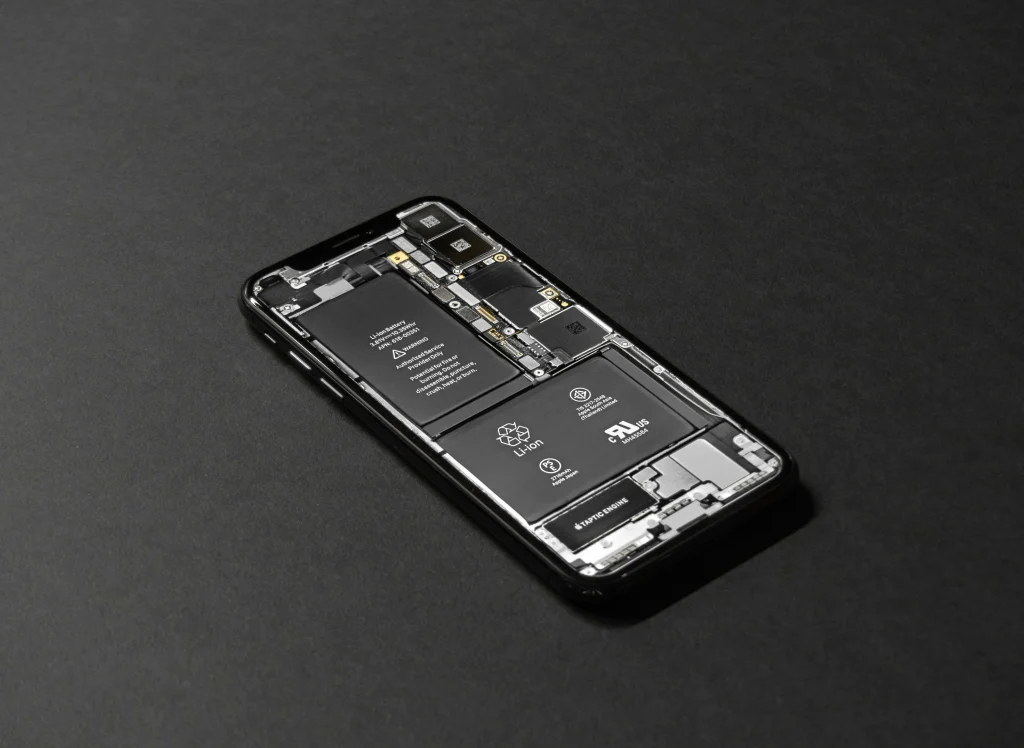
Sealed batteries eliminate the need for the individual protective plastic casing required for standalone batteries, allowing the lithium-ion chemistry to occupy every square millimeter of the structural chassis.
The absence of manual opening mechanisms drastically reduces the risk of misalignment of the internal connector when the phone suffers severe drops onto hard concrete surfaces.
Sealing the device with high-density industrial adhesives ensures the torsional rigidity of the assembly, preventing the main plate from bending or suffering microfractures during daily use.
How has the pursuit of IP68 certification influenced this structural change?
Liquid resistance certification requires that the smartphone casing be completely sealed against fluid ingress at pressures of up to one and a half meters deep.
Back covers fitted by mechanical pressure tend to deform over time, creating invisible micro-gaps that allow moisture to infiltrate the integrated circuits on the board.
Industrial-grade structural adhesives and pressure-applied silicone gaskets ensure the necessary watertightness so that the user can use the phone in the rain without operational concerns.
Eliminating manual access ports has made mobile devices much more durable against accidental immersion in pools, sinks, or household containers in the daily life of Brazilian cities.
What are the performance advantages of batteries integrated into the motherboard?
Connecting the power cell directly to the logic board via soldered flexible cables allows for the safe and stable transmission of high electrical currents.
Ultra-fast charging technology requires copper busbars capable of handling tens of watts without overheating the internal electrical connections of modern smartphones.
Pressure connectors used in removable compartments exhibit variable electrical resistance, making it impossible to adopt charging rates of one hundred watts or more without severe risks.
Efficient temperature management achieved through integrated software and vapor chambers depends on direct and firm contact between the energy cell and the metal chassis.
How will the new European regulations affect the future of mobile phones?
The European Union has approved strict environmental guidelines requiring manufacturers to make it easier for users to replace fuel cells themselves within the next few years.
Legislation requires technology companies to design batteries that can be replaced with common tools, without the need for harsh chemical solvents or intense heat.
Manufacturers are working on new engineering concepts that combine sealing against water and dirt with simplified mechanisms for disassembling and recycling electronic components.
This regulatory transition aims to combat global e-waste and extend the lifespan of smart devices by allowing for inexpensive refurbishments after the natural degradation of the component.
International guidelines on the environmental impact of electronics, materials recycling, and sustainability in the technology sector are available on the portal of United Nations Environment Program.
Demanding greater ease of repair does not necessarily mean a return to the classic. removable battery which would spontaneously detach during hard falls onto asphalt.
Read more: See How to Increase Your Smartphone's Battery Life
The industry is seeking a technical balance between advanced physical chassis protection and ease of maintenance at authorized service centers or independent workshops.
Understanding these industry factors empowers consumers to choose phones that offer excellent durability and good availability of spare parts in today's national market.
What precautions can extend the lifespan of a sealed battery in the device?
Avoiding prolonged exposure of the smartphone to direct sunlight and extremely hot environments preserves the chemical integrity of the lithium ions present in the internal cell.
Maintaining the phone's charge between twenty and eighty percent reduces the thermal and chemical stress suffered by the electrodes during daily electrical charging cycles.
Know more: How to Increase Cell Phone Battery Life Without Installing Apps
Using chargers and cables certified by telecommunications authorities prevents harmful voltage spikes that accelerate the irreversible degradation of nominal storage capacity.
Updating your phone's operating system ensures the application of intelligent power management algorithms optimized by the manufacturer's software engineers.
Conclusion
The elimination of the manual battery access compartment in current phones responded to direct demands for thinner, more water-resistant, and structurally more rigid devices.
Although the ease of direct replacement has been sacrificed, consumers have gained more durable, safer devices capable of supporting extremely fast charging technologies.
Read more: How to charge your cell phone correctly and avoid damaging the battery.
Keeping up with regulatory changes in the sector allows us to understand how engineering will continue to evolve to combine high protection, aesthetic sophistication, and sustainability in the coming years.
Frequently Asked Questions (FAQ)
Is it possible to replace the battery on a cell phone that doesn't have a removable back cover?
Yes, the replacement is carried out by specialized technicians through the removal of the glued-on back cover using appropriate thermal tools and industrial suction cups.
Why are cell phones with sealed batteries thinner?
The absence of extra protective plastic casings and mechanical locking mechanisms allows the battery to occupy internal space in a much more efficient and compact way.
Does a sealed battery last longer than the old removable one?
Yes, modern cells utilize advanced lithium chemical technologies and intelligent thermal management, supporting more charge cycles before showing noticeable degradation.