Tips to Improve Wi-Fi Connection and Avoid Signal Drops

Adverts
In the digital age, improving your Wi-Fi connection is essential to ensure uninterrupted productivity, entertainment and communication.
Think of your connection as a highway: if there is congestion or obstacles, data traffic slows down.
Signal drops, slowness and instability can turn simple tasks, such as watching a movie or participating in a video call, into frustrating experiences.
With the rise of remote work and 4K streaming consumption, the demand for stable networks has never been higher.
Adverts
According to Anatel, in 2024, 921% of Brazilians will access the internet via Wi-Fi at home, highlighting the importance of a robust connection.
This article provides practical, creative and up-to-date tips for optimizing your network, with approaches that go beyond the obvious, ensuring a fluid and reliable experience.
Furthermore, the quality of the Wi-Fi connection directly impacts the experience of using streaming services, video conferencing and even online games.
Therefore, investing in network improvements is not just a matter of convenience, but also of digital quality of life.
Position the Router Strategically
Router location is the foundation of an efficient network.
Many people leave their devices hidden in corners or behind furniture, but this suffocates the signal.
Prefer to place it in a central, elevated location free from physical barriers, such as concrete walls or metal objects.
For example, Ana, a freelance designer from São Paulo, noticed that moving her router from the floor to a shelf in the center of the house increased speeds by 30% in distant rooms.
Also avoid proximity to household appliances such as microwaves, which emit interference in the 2.4 GHz band.
Table 1: Impact of Obstacles on Wi-Fi Signal
| Obstacle | Signal Reduction (%) | Tip |
|---|---|---|
| Brick wall | 25-40% | Install repeaters |
| Glass | 10-20% | Avoid mirrored windows |
| Metal | 50-70% | Keep the router away |
| Water (aquariums) | 30-50% | Position above level |
Why ignore the position of your router? A simple adjustment can double your coverage, turning “dead” areas into stable connection zones.
For more information on router placement, you can visit the TP-Link website.
Choose the Right Frequency Band
Modern routers operate in two bands: 2.4 GHz and 5 GHz.
The first offers greater range, but is more susceptible to interference, while the second is faster, but has reduced range.
To improve your Wi-Fi connection, understand the needs of your devices.
Smartphones and notebooks in heavy use, such as for gaming or calling, benefit from 5 GHz.
IoT devices, such as smart bulbs, work best on 2.4 GHz.
Access the router settings and separate the networks by range, naming them (e.g.: “Home_2.4” and “Home_5”).
This prevents devices from automatically switching lanes, causing instability.
Additionally, by naming networks, users can easily identify which network to connect to, avoiding confusion and improving the overall experience.

Update Firmware and Invest in Modern Hardware
An outdated router is like an old car: it might work, but it won't keep up.
Manufacturers release firmware updates to fix bugs and improve performance.
Access your router's administrative panel (usually via 192.168.0.1) and check if updates are available.
Additionally, consider investing in a router with Wi-Fi 6 or 6E technology, which supports a larger number of connected devices and higher speeds.
In 2025, with the advancement of 5G internet and IoT, these models are ideal for connected homes.
Investing in modern hardware not only improves speed, but also network security, ensuring a more stable and reliable experience.
+ How do websites know your location without GPS?
Reduce Interference from Neighboring Networks
In urban areas, Wi-Fi networks compete like cars at a crowded intersection.
To improve your Wi-Fi connection, use apps like WiFi Analyzer to identify less congested channels.
The 2.4 GHz band has 11 channels, but only 1, 6, and 11 do not overlap.
In the 5 GHz band, there are more options, such as channels 36, 40 or 44.
Adjust the router channel to a less used one and monitor the stability.
This tactic is especially useful in apartments, where dozens of networks coexist.
Additionally, choosing a less congested channel can result in a significant improvement in internet speed, especially during peak hours.
Control Bandwidth Consumption
Connected devices compete for bandwidth, and a single device can monopolize the network.
To improve your Wi-Fi connection, use your router's QoS (Quality of Service) feature to prioritize devices or applications, such as video calls, over downloads.
For example, João, a gamer from Rio, configured QoS to prioritize his console, reducing lag in online matches even with other devices active.
Also disable automatic updates of apps in the background, which consume bandwidth without warning.
Table 2: Bandwidth Consumption by Activity
| Activity | Average Consumption (Mbps) | Suggested Priority |
|---|---|---|
| 4K Streaming | 25-35 | High for entertainment |
| HD Video Call | 3-5 | High for work |
| Web navigation | 1-2 | Low |
| Online games | 3-6 | High to low latency |
Controlling bandwidth consumption is crucial, especially in homes with multiple users and devices, ensuring everyone has a satisfactory experience.

Strengthen Network Security
An insecure network not only compromises data, but also performance.
Hackers or unauthorized neighbors can overload your connection.
To improve your Wi-Fi connection, use WPA3 encryption (or WPA2 if not available), create strong passwords with at least 12 characters, and disable WPS, which is vulnerable.
Also change the default network name (SSID) to something unique, making attacks more difficult.
Monitor connected devices via the router dashboard and disconnect intruders.
Additionally, network security is an often overlooked but essential aspect of maintaining data integrity and connection quality.
See too: How to Use Google Takeout to Download All Your Data
Consider Repeaters or Mesh Systems
If the house is large or has many obstacles, repeaters or mesh systems can expand coverage.
Repeaters amplify the signal, but can reduce the speed.
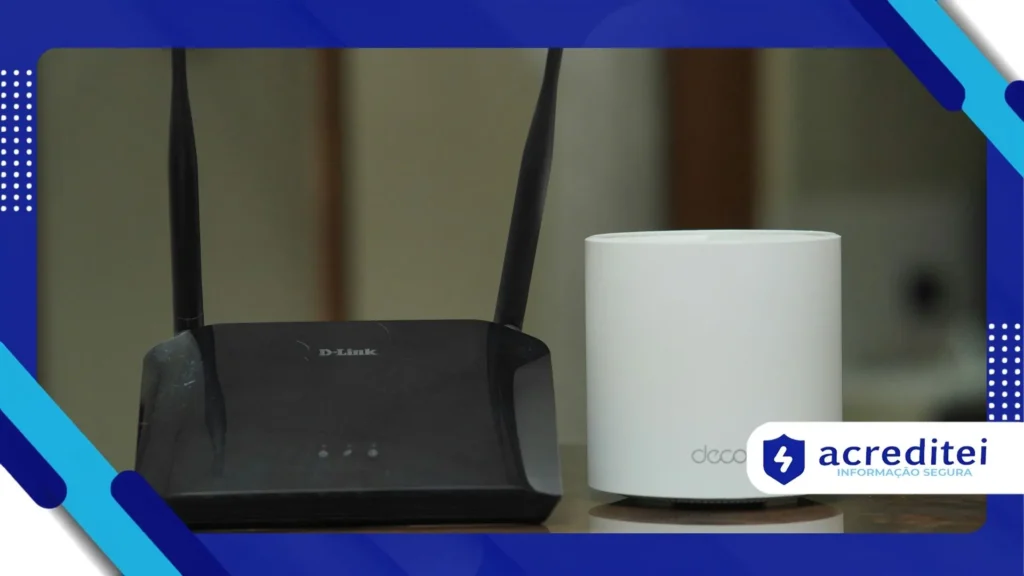
Mesh systems, such as Google Nest or TP-Link Deco, create a unified network, ideal for improving Wi-Fi connection across multiple floors.
Installation is simple, and many models offer configuration via an app.
Choose devices that are compatible with your router to avoid conflicts.
These systems are especially useful in large or multi-room homes where the signal may have difficulty reaching all rooms.
Monitor and Adjust Regularly
A Wi-Fi network is not “set it and forget it”.
To improve your Wi-Fi connection, perform periodic checks.
Test the speed with tools like Speedtest and compare it with the contracted plan.
Restart your router weekly to clear memory and fix temporary glitches.
Adjust settings as new devices join the network or changes in the home, such as renovations, affect the signal.
Analogy: The Network as a Living System
Think of your Wi-Fi network as a living organism.
Each device is an organ, the router is the heart, and the signal is the circulating blood.
To improve your Wi-Fi connection, you need to keep your system healthy by removing toxins (interference), ensuring oxygen (sufficient bandwidth), and monitoring vital signs (stability).
Neglecting one aspect can compromise the whole, but regular care ensures vitality.
Conclusion
Optimizing your network is more than just fixing signal drops; it’s about ensuring that your technology keeps up with your pace of life.
With strategic adjustments, such as positioning the router correctly, choosing the ideal band, updating the firmware and controlling bandwidth consumption, you can transform an unstable connection into a fluid experience.
Small changes, like changing channels or investing in a mesh system, make a significant difference.
In a world where the internet is the backbone of our routine, adopting these practices is essential to maintain productivity and leisure without interruptions.
Get started today and see how your network can reach its full potential.