Electronic waste: what it is and how to dispose of it.

Adverts
The accelerated growth of technology consumption has transformed... electronic waste in one of the greatest environmental, economic, and health challenges of our modern era.
Devices we use daily become obsolete quickly, generating a global mountain of complex waste that requires immediate attention and specialized disposal.
Understanding the life cycle of these products is not just a matter of ecological awareness, but an urgent need for global public health.
In this article, we will explore the technical definition, the hidden dangers in the components, and a practical roadmap for proper and responsible disposal.
Adverts
Summary:
- What exactly characterizes electronic waste?
- Why is improper disposal so dangerous?
- What valuable materials are we throwing away?
- How does reverse logistics work in Brazil?
- Where can I find reliable collection points?
- FAQ – Frequently Asked Questions
What exactly characterizes electronic waste?
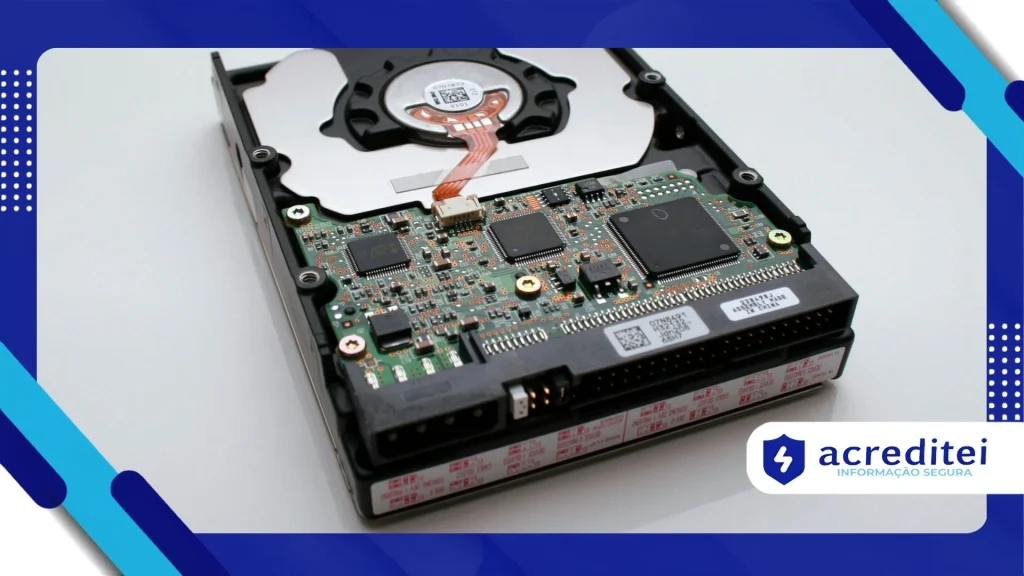
the term electronic waste, Waste Electrical and Electronic Equipment (WEEE), also known technically as Waste Electrical and Electronic Equipment (WEEE), encompasses much more than just old computers.
Any equipment that relies on electrical currents or electromagnetic fields to function, and that has reached the end of its useful life, falls into this category.
This includes everything from large household appliances, such as refrigerators and washing machines, to small personal devices, such as headphones and smartwatches.
Proper classification of these items is essential to determine the appropriate recycling process, as each category has distinct chemical components.
Loose wires, cables, chargers, and batteries are also considered part of this waste ecosystem and should never be ignored when disposing of them.
The complexity of these products lies in the mixture of materials, combining high-strength plastics, glass, common metals, and hazardous chemical elements.
+ Why was the “Ctrl+Alt+Del” key created?
Why is improper disposal so dangerous?
Discarding these items in regular trash or conventional landfills triggers a chain reaction of severe and silent environmental contamination.
The internal structure of electronics contains highly toxic heavy metals, such as mercury, lead, cadmium, and beryllium, which do not degrade naturally.
When exposed to rain and sun in landfills, these metals release a toxic leachate that seeps into the soil and reaches groundwater.
Groundwater contamination jeopardizes the water supply for entire populations and directly affects the region's agricultural food chain.
In addition to soil and water, the irregular burning of electronic waste Copper extraction releases furans and dioxins into the atmosphere.
These gases are carcinogenic and affect the respiratory system of neighboring communities, creating a public health problem of alarming proportions.
Therefore, improper disposal is not only an environmental mistake, but an act that compromises the health and safety of future generations.
What valuable materials are we throwing away?
Paradoxically, what we call "garbage" is actually an urban mine full of finite and economically valuable resources that are wasted daily.
Printed circuit boards, processors, and connectors contain precious metals such as gold, silver, platinum, and palladium in concentrations higher than those found in natural mines.
The lack of recycling forces industry to extract new raw materials from nature, generating a much greater environmental impact than reuse.
The table below illustrates the wasted economic potential when we don't properly recycle our mobile devices, according to global urban mining data.
Table: Recovery Potential in 1 Million Smartphones
| Material | Recoverable Quantity (Approx.) | Industrial Application |
| Copper | 16,000 kg | Electrical wiring and motors |
| Silver | 350 kg | Solar panels and jewelry |
| Gold | 34 kg | Electronic contacts and dentistry |
| Palladium | 15 kg | Automotive catalysts |
Recovering these materials through proper recycling of electronic waste This drastically reduces the need for aggressive mining in sensitive ecosystems.
In addition to precious metals, we recover rare earth elements, which are essential for the manufacture of clean energy technologies and electric car batteries.
+ History of Floppy Disks, CDs, and USB Drives: How We Stored Files Before the Cloud
How does reverse logistics work in Brazil?

Brazilian legislation, through the National Solid Waste Policy (PNRS), establishes shared responsibility for the life cycle of products.
This means that manufacturers, importers, distributors, and retailers are required to structure and implement reverse logistics systems to collect this equipment.
The end consumer, in turn, has a legal and civic duty to return obsolete equipment to designated collection points.
Large technology companies already have robust programs for trade-in or collection, accepting old devices regardless of brand or condition.
This system ensures that waste returns to the production chain, being dismantled in certified facilities that follow strict environmental safety standards.
The process ensures the separation of toxic components for proper treatment and the reintroduction of clean raw materials into the processing industry.
To learn more about the official guidelines and the impact of the legislation, you can consult the... National Information System on Solid Waste Management (SINIR).
Where can I find reliable collection points?
Locating a voluntary drop-off point (VEP) has become much simpler with the expansion of sustainability initiatives in national retail.
Supermarkets, pharmacies, and large electronics stores usually have specific collection points at the entrance of their establishments for small devices.
For larger appliances, such as refrigerators or televisions, it is necessary to schedule a pickup or consult the manufacturer regarding the return procedure.
There are also Electronic Waste Management Companies, non-profit entities that operate reverse logistics systems in partnership with municipal governments.
These organizations conduct mobile collection campaigns and maintain fixed collection points in high-traffic areas to facilitate access for the public.
When you hand over your electronic waste In these locations, you are guaranteed that the data contained on the devices will be securely destroyed.
Always check if the partner institution has an environmental license to handle these waste materials, preventing their diversion to the informal market.
+ What were the first emails ever sent like?
The impact of 5G and IoT technology on waste volume.
The arrival of new technologies, such as 5G and the Internet of Things (IoT), has accelerated the obsolescence of perfectly functional devices.
Old routers, modems, and smartphones are being discarded en masse to make way for equipment compatible with the new connection speeds.
This rapid technological transition demands a recycling infrastructure capable of absorbing an unprecedented volume of waste in recent history.
It is estimated that the global amount of electronic waste will continue to grow annually, requiring innovation in the methods of sorting and processing these materials.
The industry needs to adopt circular design, creating products that are easier to repair, upgrade, and eventually, recycle completely.
Conscientious consumers should prioritize brands that offer extended software support and make it easy to repair their devices to prolong their lifespan.
Conclusion
To confront the problem of electronic waste It requires a collective behavioral change, shifting from a throwaway culture to a circular culture.
Every device that is properly recycled represents a victory for the preservation of natural resources and a barrier against toxic environmental contamination.
Technology should be a tool for the advancement of humanity, not a source of irreversible pollution for our planet.
Make a commitment today to check your drawers, separate old cables and appliances, and take them to the nearest collection point.
Your individual attitude, combined with efficient public policies, is the key to transforming a global problem into a sustainable solution.
For in-depth global data on waste monitoring, we recommend reading the reports from... United Nations Institute for Training and Research (UNITAR).
FAQ – Frequently Asked Questions
Is it safe to throw batteries in the regular trash?
No, never dispose of batteries in regular trash, as they contain heavy metals that can leak and contaminate the soil and water. Look for designated collection points at supermarkets or pharmacies.
Do I need to erase my data before discarding a cell phone?
Yes, it is essential to perform a factory reset and erase all personal data to protect your privacy before handing the device over for recycling or donation.
Are broken USB cables and chargers recyclable?
Yes, these items contain copper and recyclable plastics. They should be disposed of at the same collection points as cell phones and other electronics, and never in the organic waste bin.
What to do with large, broken appliances?
Contact the manufacturer, retail stores, or your city hall to schedule a pickup or find the appropriate recycling point for large volumes.
Does recycling electronics generate money for the consumer?
Generally, there is no direct cash payment, but some manufacturers offer discounts on the purchase of new products in exchange for handing in your old device (trade-in system). trade-in).