Automotive Mechanic Course: What you'll learn to fix cars
Adverts
Everyone has had the same experience: you take your car to a mechanic, he replaces a part "by guesswork," the problem returns two weeks later, and the money is already gone.
This doesn't happen due to a lack of effort on the part of the professional—it happens due to a lack of method. A modern car is simultaneously a mechanical, electrical, and computerized system, and without understanding these three layers working together, any repair becomes trial and error.
That's exactly the gap that a well-structured automotive mechanic course fills: it teaches you how to... diagnose before replacing the part, Understanding the car as an interconnected system — not as a collection of loose components.
Why does this matter more today than it did 10 years ago?
Cars stopped being purely mechanical a long time ago. Today, even an engine problem can originate from an electronic sensor, and a noise in the suspension can be related to the vehicle's computer control unit. A good course is already prepared for this reality — covering everything from the traditional combustion engine to the electronic diagnostic systems embedded in any car manufactured in the last 20 years.
Adverts
What you will find in the course content
- Engine and cooling system — how the engine works, its internal components, and how the cooling and lubrication system prevents it from overheating or failing prematurely. This is usually the first major module, since the engine is the "heart" of any diagnosis.
- Electrical and electronic systems — Reading electrical diagrams, using a multimeter, understanding the operation of the battery, alternator, starter motor, and electronic control units. A large portion of the "mysterious" defects in modern cars originate from electrical systems, not mechanical ones — and this is where most self-taught mechanics get stuck.
- Computerized diagnostics (OBD-II) — How to use a scanner to read fault codes, interpret real-time data, and diagnose engine performance problems without having to disassemble anything.
- Brakes — Operation of the hydraulic system, diagnosis and repair of disc and drum brakes, as well as anti-lock braking systems (ABS).
- Suspension and steering — alignment geometry, shock absorbers, power steering systems, and diagnosis of problems affecting stability and tire wear.
- Transmission and gear shift — operation of manual and automatic transmissions, drive axles and four-wheel drive systems.
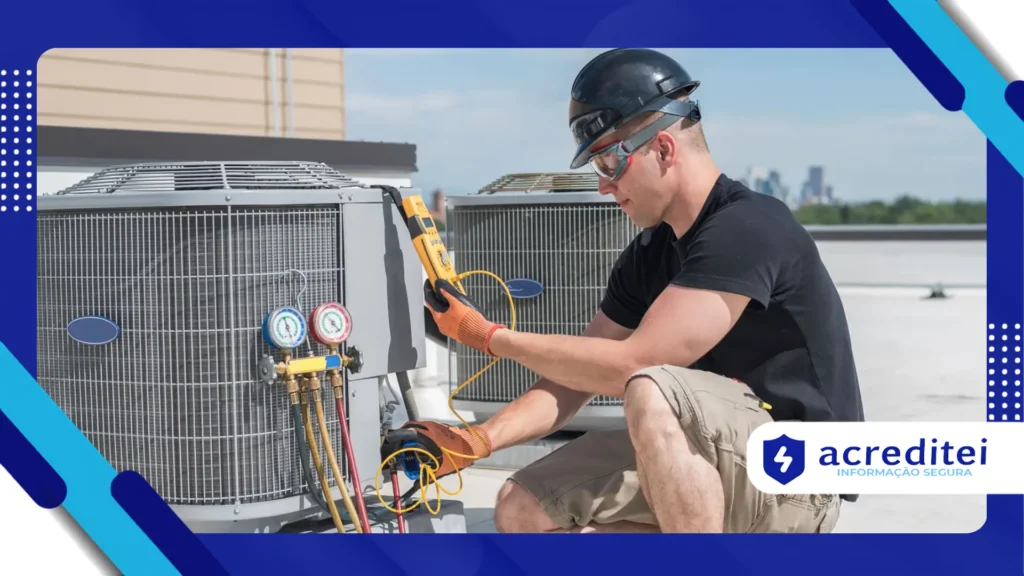
- Vehicle climate control (automotive air conditioning) — Diagnosis and maintenance of the car's A/C system, including proper handling of the cooling circuit.
- Hybrid and electric vehicles — increasingly present in current curricula, covering the differences in engine, transmission, regenerative braking, and high-voltage systems compared to a conventional car.
Theory + practice: what truly makes a good mechanic
A serious course is never just video theory. Real learning happens at the workbench — disassembling, testing, and reassembling real parts, under guidance. You learn to:
- Diagnose before acting. — Use tools (scanner, multimeter, pressure gauge) to identify the root cause of the problem, instead of replacing parts by trial and error.
- Perform the repair using proper technique. — following the correct disassembly, repair, and reassembly process, which avoids rework and extends the vehicle's lifespan.
- Validate the result — to confirm that the problem has actually been resolved, and not just temporarily masked.
This sequence — diagnose, repair, validate — is what separates a backyard mechanic from a professional that customers search for by name and recommend to their friends.
For whom does this course make sense?
- For those who want to enter the automotive field from scratch, with no prior experience with cars.
- For those who already tinker with cars informally, either on their own or helping friends, and want to transform that scattered knowledge into structured expertise.
- Anyone who works in a repair shop and feels stuck dealing with electrical or electronic problems—precisely the area that most separates ordinary mechanics from good professionals.
- For those seeking a historically stable field: cars will continue to break down, require preventative maintenance, and evolve technologically (hybrids, electric vehicles), which keeps the demand for good professionals constantly growing.
How long does it take?
Courses focused on essential fundamentals (engine, electrical, brakes, basic diagnostics) are usually structured in progressive modules, allowing you to advance at your own pace. More comprehensive programs, which also cover transmission, suspension, air conditioning, and hybrid systems, provide in-depth training for those who want to specialize or take on more technical positions within a workshop.
Start with what truly makes a good professional.
If your goal is to truly understand the car from the inside out—to accurately diagnose problems instead of blindly replacing parts—the path begins with the fundamentals: engine, electrical system, and computerized diagnostics.
👉 Start your Automotive Mechanic course now.
In the end, you won't just know how to change oil and brake pads — you'll understand the logic behind each of the car's systems, which is exactly what transforms any mechanic into a leading professional.