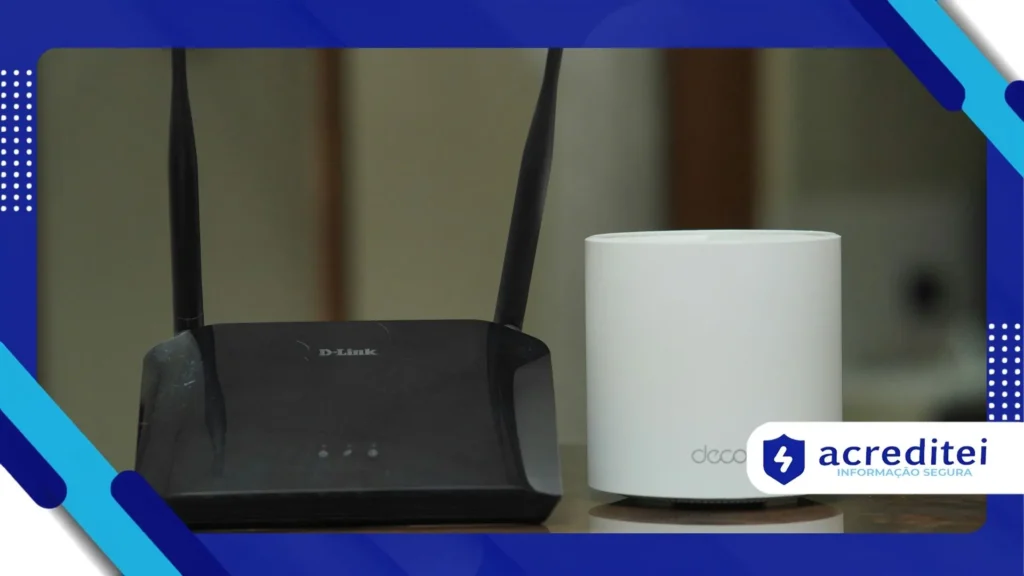
How to protect your computer from viruses without spending anything
Adverts
Protect your computer from viruses without spending anything It's a goal that may seem challenging, but it's within reach of anyone using the internet in 2025.
In a scenario where digital attacks have become increasingly sophisticated, adopting free protection practices is not only possible, but essential.
After all, digital security does not necessarily require large investments to be efficient.
This detailed guide will show you how to harden your computer with free resources, as well as teach you best practices to strengthen your digital defense. Throughout the text, you'll find:
Adverts
- The most common risks facing computer and smartphone users.
- The best free tools to protect yourself.
- Prevention strategies that cost nothing.
- Real examples of situations where small precautions made a difference.
- A current overview of the growth of cyberattacks and how to confront them.
Why is free digital security possible?
Many people still believe that only those who pay for premium software can effectively protect themselves.
This view, however, doesn't reflect the current reality. Several leading cybersecurity companies offer free versions of their antivirus programs, precisely to ensure a broader user base and reinforce brand trust.
These versions, even without all the extra features, deliver the essentials: malware blocking, warnings against dangerous links, and constant real-time monitoring.
To illustrate, consider a free vaccine offered by the healthcare system. It may not have all the features of a private treatment, but it effectively protects against major threats.
The same goes for free antivirus programs. They're the front line against digital infections, preventing bigger problems from developing.
In a recent study by AV-Test, an independent institute that evaluates security solutions, free antiviruses from Kaspersky and Bitdefender achieved detection rates above 97% in 2024.
This shows that, even without investing money, users can have a high level of protection. If cutting-edge technology is available at no cost, why give it up?
See also: MSN Messenger: the golden age of instant messaging
Understanding the main digital threats
Before knowing how protect your computer from viruses without spending anything, it is crucial to understand the threats.
Many users believe that attacks only target companies or famous people, but the reality is different.
Cybercriminals operate at scale: they set traps en masse and hope that some of them work.
Malware is the most common type of malware. It can damage your files, install hidden programs, and even use your computer as part of an attack network.
Phishing, perhaps the most dangerous, disguises itself as legitimate messages, leading users to reveal banking information and passwords.
Spyware, on the other hand, acts silently, monitoring everything you type or access.
Ransomware is the most aggressive threat: it locks your files and demands payment in return.
Imagine leaving your house unlocked because you thought no one would be interested. The same logic applies to the digital world.
Often, targets are not chosen based on the importance of the data, but on the ease of attack.
This daily negligence opens the door to invasions that could be avoided with simple measures.
+ Benefits of 5G for the Common User: A Revolution in the Palm of Your Hand
Free tools that really work

Free antiviruses
Free antivirus programs aren't inferior to the point of being useless. On the contrary, they offer essential features that block known threats and prevent suspicious files from spreading.
Furthermore, they have frequent updates that ensure adaptation to new forms of attack.
Among the most reliable are:
- Avast Free Antivirus, quite popular among users looking for a balance between protection and performance.
- Kaspersky Security Cloud Free, with a solid track record of rapid and effective detection.
- Bitdefender Antivirus Free Edition, light and efficient, ideal for machines that cannot handle heavy programs.
A good free antivirus works like a well-made lock: it may not be the most sophisticated, but it prevents anyone from breaking in easily.
Native firewalls
Many people forget that operating systems already come with built-in firewalls. In Windows, for example, the feature is enabled by default and creates a barrier against unwanted connections.
On macOS, this functionality is also present, although little explored by users. Ignoring this feature is like leaving a window open in a well-protected house.
See too: How to find out if your cell phone has a virus and what to do
Browsers with built-in protection
Browsers like Google Chrome, Microsoft Edge, and Mozilla Firefox offer blocking systems against dangerous websites.
They issue alerts whenever you try to access suspicious pages, preventing phishing scams or malware downloads.
This feature, often invisible to the user, acts like a traffic cop preventing you from entering a blocked street.
The importance of automatic updates
Many users postpone updates believing they are just cosmetic improvements or new features.
However, in most cases, companies release updates to fix critical security flaws.
According to the 2024 IBM X-Force report, approximately 60% of the attacks exploited vulnerabilities that were already known and had a patch available.
In other words, hackers exploit loopholes that could have been closed with a simple click of “update now.”
Delaying updates is like driving a car without checking the brakes. It might work for a while, but one unexpected situation can expose the risk.
Enabling automatic updates eliminates the possibility of forgetting and keeps your computer always protected.
Good practices that cost zero
Not everything depends on software. Often, the biggest difference lies in how you interact with the internet on a daily basis.
Some simple practices already considerably reduce the risk of invasion:
- Create strong and unique passwords: Easy or repeated passwords on multiple sites invite trouble.
- Enable two-factor authentication: an extra step that can stop attackers even if they have your password.
- Avoid suspicious downloads: download programs only from official websites.
- Make periodic backups: having copies in the cloud or on an external hard drive protects against irreversible losses.
A simple example is two-factor authentication used on social media. It adds a step that, while quick, prevents account hacking even if the password is discovered.
Backups, often neglected, act as a safety net: when an attack occurs, you don't lose your most valuable information.
A practical look: everyday examples
Imagine a user downloads editing software from a torrent site. The program works, but along with it, spyware begins recording every login made to the browser.
What seemed like a savings turns into theft of bank data.
Another common case involves fake bank emails. When clicking on a link to update their registration, the user is redirected to a fake page.
There, when you enter personal information, you are given access to your own account on a silver platter.
Small details, like checking the website address or being wary of alarmist messages, could prevent huge losses.
Analogies that help to understand
Maintaining digital security is like maintaining good health. Doctor's appointments, expensive tests, and advanced medications are important, but basic prevention—such as a balanced diet, quality sleep, and personal hygiene—can reduce many risks.
The same goes for your computer: paid antivirus programs are useful, but basic free measures make all the difference.
Free Digital Protection Practices Table
| Resource/Practice | Cost | Main Benefit |
|---|---|---|
| Free antivirus | R$0 | Malware and spyware blocking |
| Operating system firewall | R$0 | External access control |
| Automatic updates | R$0 | Security flaw fixes |
| Two-factor authentication | R$0 | Extra layer against invasions |
| Free cloud backups | R$0 | File recovery in case of attack |
Where most people go wrong
One of the most common mistakes is to believe that "no one cares about my data." Hackers don't choose victims based on the value of the information, but on the ease of attack.
Even email lists are valuable on the black market.
Another common mistake is not paying enough attention to mobile devices. Today, cell phones store photos, documents, banking information, and private conversations.
Ignoring your security is like locking the front door and leaving the back door wide open.
Conclusion: Cost-free protection is possible
It is totally feasible protect your computer from viruses without spending anything in 2025. Free antivirus options, combined with automatic updates and good browsing practices, form an effective barrier against digital risks.
Digital security isn't a luxury, it's a necessity. Preventative measures cost nothing, but they can save you from major headaches.
The choice is yours: trust your luck or adopt simple habits that protect your online life.
Frequently Asked Questions (FAQ)
1. Is free antivirus enough?
For most users, yes. They offer basic, effective, and up-to-date protection.
2. Do I need to pay for a firewall?
No. The firewall is already built into Windows and macOS. You just need to turn it on.
3. Do secure browsers replace antivirus?
No. They help a lot, but they should be used in conjunction with other measures.
4. Do updates really matter?
Yes. Many flaws exploited by hackers already have patches available.