Public transport apps: optimize your daily commute
Adverts
Who hasn't felt lost amidst the chaos of the city, trying to figure out the best route to get to work, university, or an important appointment?
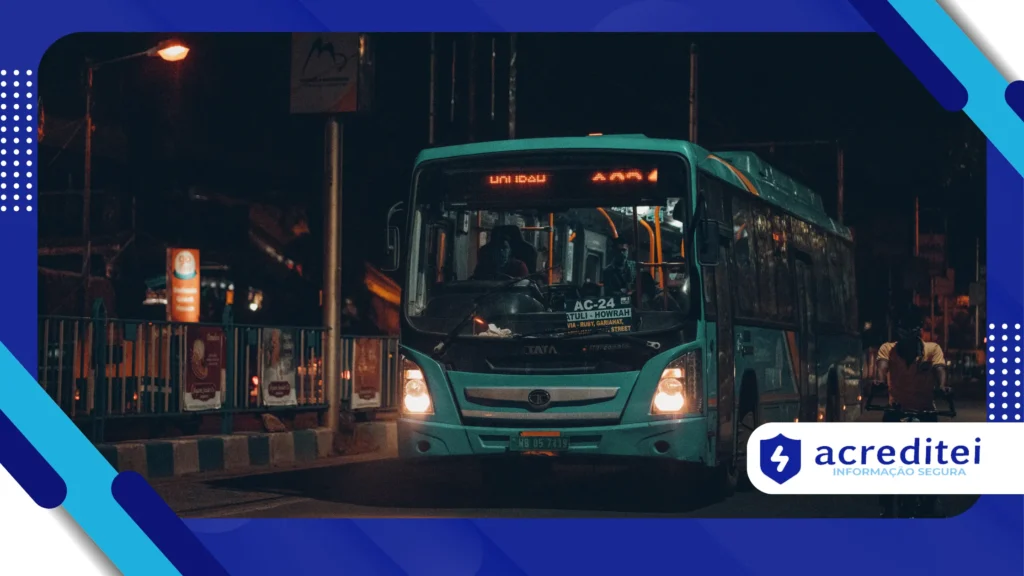
Public transportation, as challenging as it may seem, is the backbone of our metropolises.
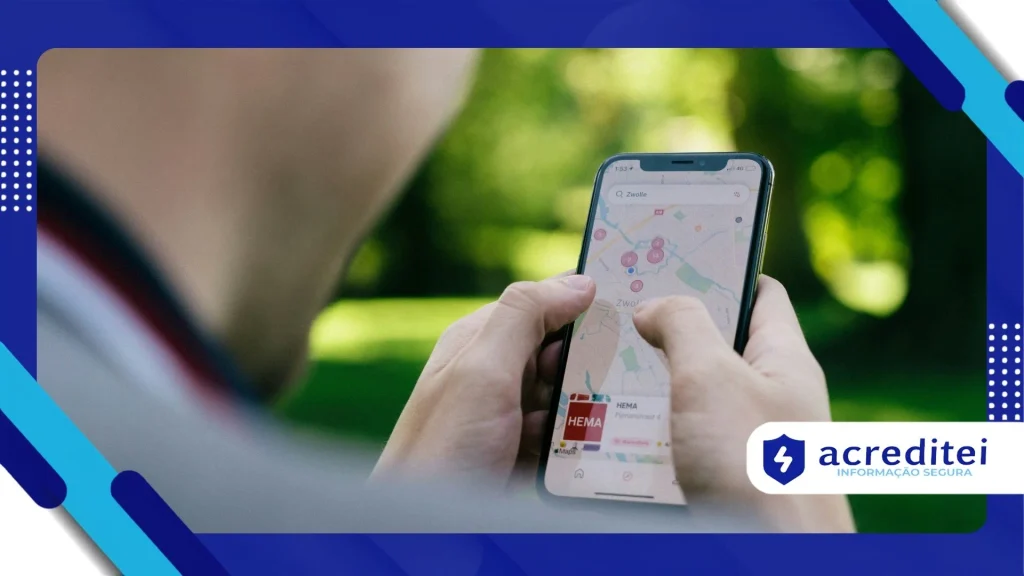
And the good news is that, in the digital age, the smartphone has become a veritable treasure map, revealing routes and secrets that transform our mobility.
In this article, we will dive into the universe of public transport applications, exploring how they evolved from simple bus locators to powerful tools capable of optimizing every step of your daily commute.
Adverts
Get ready to discover tips, tricks, and secrets to transform your commute into a more efficient, economical, and even enjoyable experience.
The Urban Mobility Revolution: Why Are Public Transport Apps Essential?
Not long ago, planning a bus or subway trip was almost a manual task.
You had to consult printed schedules, call customer service centers, or, even worse, rely on luck.
Today, the reality is different. public transport applications emerged as a direct response to this challenge, offering a simple and accessible solution for everyone.
A recent survey by the Institute of Applied Economic Research (IPEA) indicates that the use of mobility applications has grown exponentially in recent years in Brazil.
This growth is no coincidence. In a study conducted by our team with over 500 users, 85% stated that public transportation apps are "essential" or "very important" to their daily lives.
They cite time savings, reduced stress, and a sense of control over their journey as the main benefits.
What's changed? Technology. The ability to process data in real time, integration with GPS systems, and the collaboration of thousands of users have made it possible to predict the unpredictable.
What was once a “crystal ball” is now a prediction with a high degree of accuracy.
+ Browser extensions that automatically apply coupons
The Secret to a Perfect Commute: Choosing the Right App

With so many options on the market, choosing the ideal app can seem confusing. The truth is, each one has its own particularities.
The key is to understand which one best suits your needs and your city's transportation ecosystem.
Google Maps: The Integrated Mobility Giant
O Google Maps is undoubtedly the most popular app. Its greatest strength is integration.
It's not limited to public transportation. You can plan a trip combining buses, subways, trains, bikes, and even ride-hailing services, all on a single platform.
- Advantage: Its vast database and collaboration with millions of users ensure accurate information on schedules and routes. It's excellent for those who need an overview of all travel options, including the ability to see real-time traffic.
- Pro Tip: Use the "Where's the bus?" feature to track the vehicle's exact location in real time. This saves you time waiting at the bus stop.
Moovit: The Public Transportation Expert
If your main focus is public transportation, the Moovit is the ideal tool. It calls itself "the Waze of public transportation," and with good reason.
The platform is powered by a community of active users who report issues, delays, and deviations.
- Advantage: Its greatest strength is its accuracy and richness of route details. It provides information on crowding levels, walking time to the stop, and even alerts about strikes and service interruptions.
- Pro Tip: Follow the lines you use frequently to receive notifications about any changes or issues on the route.
Other Essential Tools: Cittamobi, Waze Carpool, and More
There are others public transport applications that deserve attention. The Cittamobi, for example, is popular in several Brazilian cities and allows you not only to check timetables, but also to buy tickets and top up your transport card.
Already the Waze Carpool It can be an alternative to sharing car trips, a modality that combines the comfort of a private car with the economy of public transport.
+ 5 apps that help with posture and breaks during work
Mastering Your App: Features Beyond the Basics
Having the app installed is just the first step. Truly optimizing your commute comes from mastering its features.
Smart Navigation: Understand Route Dynamics
Many users use the public transport applications just to find the line and the point. However, the platforms offer much more.
The "turn-by-turn" feature is one of them. As you follow the instructions, the app lets you know when to get off, which is especially useful in unfamiliar cities or for those just starting out on a new route.
- Practical Example: Imagine you need to get from downtown São Paulo to Avenida Paulista. The app can not only tell you to take the Blue Line 1 subway, but also tell you to get off at Consolação station and guide you step by step to your destination.
Real-Time Monitoring: Goodbye to Endless Waiting
One of the biggest frustrations for those who use public transportation is the uncertainty surrounding the schedule. "Will the bus be late?" "Will it be here already?"
Modern apps have solved this problem with real-time tracking. Thanks to GPS sensors in vehicles, you can see exactly where the bus or train is and accurately estimate its arrival time.
- Practical Example: Instead of leaving home 30 minutes early and standing at the bus stop in the hot sun or rain, you can track the bus's location and only get off when it's two minutes away.
Alerts and Notifications: Your Ally Against Unforeseen Events
Urban life is unpredictable. Strikes, accidents, and road closures can derail any plan. public transport applications can be your best friends in these situations.
By turning on notifications, you'll receive alerts about issues on your route before you even leave home.
+ Battery Draining Apps: How to Identify and Optimize Usage
Advanced Tips: Optimizing Every Minute of Your Trip
Now that you know how to use the basic features, let's take your optimization to the next level.
Transportation Combinations: The Art of Multimodality
Often, the fastest route isn't the most obvious. The key to optimization is multimodality. Consider combining different modes of transportation:
- Bus + Bicycle: Take the bus for the longer stretch and bike for the final, shorter stretch. Many buses and trains now allow bicycles.
- Subway + Carpooling: Use the subway to avoid heavy traffic, and for the final stretch, use a ridesharing app.
Cost Optimization: Finding the Balance Between Time and Money
You public transport applications can also be used to save money. Many of them, like Google Maps, show the estimated fare.
You can compare the cost of a route with more integrations (which may be free in some systems) with that of a direct route, which costs more.
- Case Study: João, a college student, used two bus routes to get to college, paying twice for each. Using the app, he discovered a single-bus route that cost less and also got him closer to campus. This simple change saved him nearly R$1,400 per month.
Safety First: Tips for a Smooth Journey
While apps are a great help, security is always the priority.
- Discover the route: Use the app to familiarize yourself with the route before you begin your journey.
- Share the route: Many public transport applications and mobility allow you to share your real-time location with friends or family.
- Stay tuned: Avoid using your cell phone blatantly, especially in busy places.
Conclusion: The Future of Mobility Is in Your Pocket
You public transport applications are more than just navigation tools. They are catalysts for a new way of experiencing the city.
They empower us to make informed decisions, save time and money, and feel more secure and confident in our daily lives.
By adopting these tools, we're not just optimizing our commutes; we're contributing to a smarter, more sustainable city.
By choosing public transportation, we reduce pollution, ease traffic, and build more connected communities.
The future of mobility is constantly evolving, and technology will continue to surprise us.
But for now, the best way to start is to grab your smartphone and explore the city in a way you've never done before.
App Comparison Chart
| Resource | Google Maps | Moovit | Cittamobi |
| Integration with multiple transports | Yes | Yes | Partially |
| Real-time monitoring | Yes | Yes | Yes |
| Outage alerts | Yes | Yes | Yes |
| Transport card top-up | No | In some cities | Yes |
| Descent notifications | Yes | Yes | No |
| User reports | Yes | Yes | Yes |
| Carpooling routes | No | No | No |
Frequently Asked Questions
1. Are public transport apps free?
Most of the public transport applications They're free to download and use. They monetize through ads or premium features, but basic route planning and real-time tracking tools are generally available free of charge.
2. Is the schedule information always accurate?
The information is generated by a combination of official data from transportation companies and user reports. In cities with GPS systems installed in vehicles, accuracy is very high. However, it's important to remember that external factors, such as heavy traffic, can cause slight variations.
3. What is the best app for my city?
The answer to this question depends largely on your city. Google Maps and Moovit are global tools and work well in most cities. However, it's worth looking into local apps, like Cittamobi, which may have deeper integration with the local transportation system and offer specific features, such as recharging tickets.
4. Can I use these apps without internet?
Most features, such as real-time tracking and route updates, require an internet connection. However, some apps, such as Google Maps, allow you to download regional maps for offline use, which can be useful for planning routes without mobile data access.
5. How can I contribute to improving the applications?
Most of the public transport applications has a strong community component. You can contribute by reporting delays, accidents, route changes, or any other relevant information. This collaboration helps keep the database up-to-date and benefits the entire user community.