
Does a private DNS system improve online security and privacy?
Adverts
Adopt one Private DNS system This represents one of the most effective strategies for protecting daily browsing against internet provider monitoring and cyberattacks.
The Domain Name System acts as the internet's contact list, converting human-readable domain names into the numeric IP addresses needed to load websites and applications.
Setting up this encrypted layer of protection prevents third parties from intercepting your network queries or redirecting your traffic to malicious pages.
Given the rise in digital threats and the massive collection of personal data, understanding this technology ensures greater autonomy and digital protection.
Adverts
What is a private DNS system and how does it work?
Traditional web browsing infrastructure sends domain requests in plain text, allowing operators and cybercriminals to view every website visited by the user.
A private solution replaces the carrier's standard servers with secure resolvers that apply modern end-to-end encryption protocols.
Technologies such as DNS over HTTPS (DoH) and DNS over TLS (DoT) wrap requests in protected channels, making queries completely unreadable to external observers. This architecture prevents tracking of browsing history and blocks traffic hijacking known as cache poisoning.
| DNS Protocol / Configuration | Cryptography Method | Network Port Used | Level of Protection against Tracking |
| Traditional DNS (Unencrypted) | None (Plain Text) | Port 53 (UDP/TCP) | Low (Visible to Wi-Fi providers and networks) |
| DNS over TLS (DoT) | Dedicated TLS encryption | Port 853 (TCP) | High (Isolates network resolution traffic) |
| DNS over HTTPS (DoH) | HTTPS/HTTP/2 encryption | Port 443 (TCP) | Very High (Masks queries as regular web traffic) |
| DNS over QUIC (DoQ) | QUIC low-latency encryption | Port 853 (UDP) | Advanced (Reduces latency and prevents blocking) |
How does encrypted DNS protect your digital privacy?
Internet service providers frequently record and sell aggregated data about customers' browsing habits to targeted advertising companies.
By encrypting domain name requests, you prevent the operator from building a detailed behavioral profile of your digital habits.
In addition to preventing unauthorized data collection by telecommunications corporations, encryption protects connections established on vulnerable public Wi-Fi networks in airports and hotels.
Open standards and technical documentation maintained by Internet Engineering Task Force They establish global guidelines to ensure that network requests remain confidential and authentic.
Why does this technology increase security against cyberattacks?
Secure and private servers incorporate active filters capable of blocking access to known malicious domains even before the page loads in the browser.
This network-level filtering prevents malware, ransomware, and phishing schemes from infecting computers, smartphones, and connected smart devices.
Know more: Tips to improve privacy on your cell phone with simple adjustments.
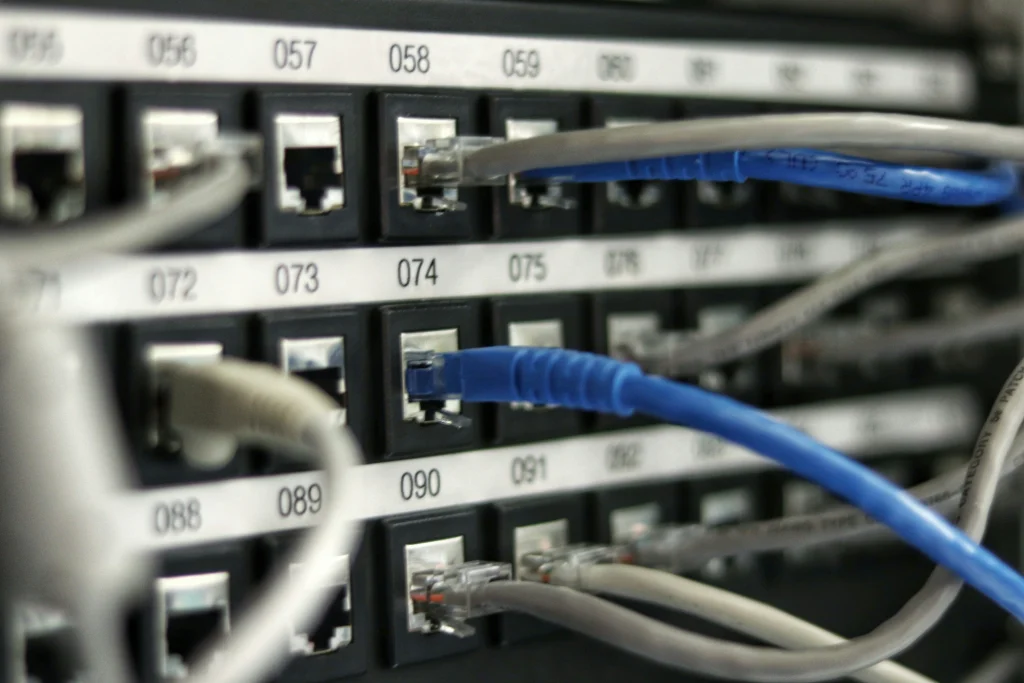
Replace the default resolver with one Private DNS system This drastically reduces the risk of redirect scams, in which fake bank pages capture credentials.
The secure server's rapid response neutralizes cyber threats at their source, strengthening the defensive posture of homes and corporate environments.
What are the differences between using a private DNS and a VPN?
While both tools improve digital security, encrypted DNS service focuses exclusively on the hidden and filtered resolution of website addresses. VPN, on the other hand, redirects and encrypts all data traffic from the device, also changing the public IP address.
Read more: How to create short links to share with others.
Using private resolution does not reduce connection speed, making it ideal for online gaming, fast browsing, and streaming high-definition videos.
A virtual private network (VPN) offers complete anonymity, making it recommended for bypassing geographical restrictions or protecting highly sensitive data.
How do I set up secure resolution on mobile phones and computers?
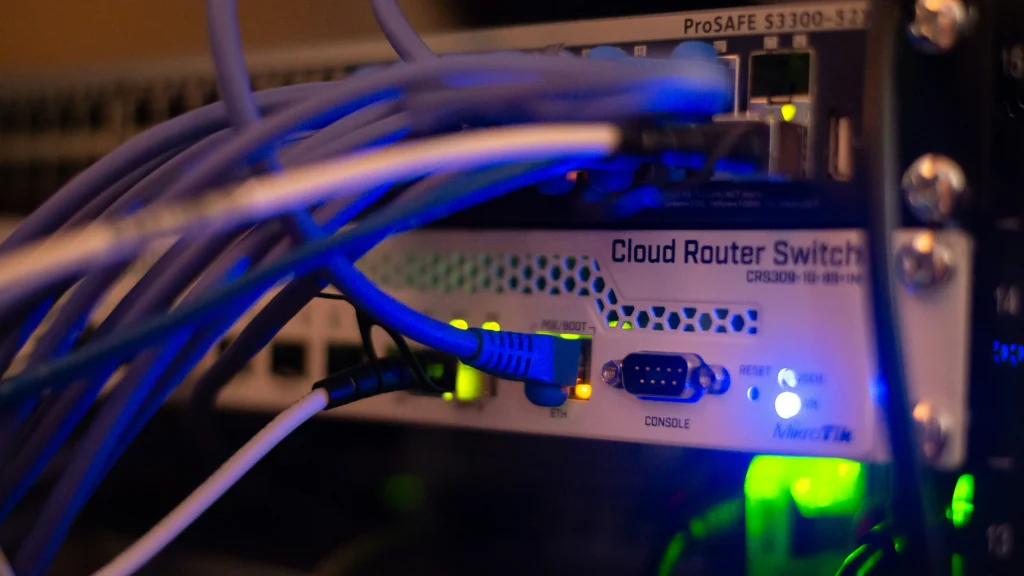
Modern operating systems such as Android, iOS, Windows, and macOS already have native support for inserting encrypted resolver addresses in their settings.
Simply access the network menu, locate the DNS option, and enter the hostname of your chosen secure provider.
Know more: Technological tools to improve Wi-Fi and connection stability.
Modern internet browsers also allow you to enable the DoH protocol directly from the privacy and security menu with just a few clicks.
Guides and awareness materials on digital security provided by Information and Coordination Center of the .BR Domain They emphasize how adopting reliable problem resolution tools prevents serious incidents on the Brazilian internet.
Implement a Private DNS system It's a crucial step for those seeking to browse quickly, ward off spammers, and protect personal data from unwanted monitoring.
The ease of setup combined with real security gains makes this technology indispensable in the contemporary digital ecosystem.
Frequently Asked Questions (FAQ)
Can using a private DNS server slow down my internet?
Modern private resolvers are often faster than ISP servers, and can even reduce response time when loading websites.
Does private DNS hide my IP address from the websites I visit?
No, the service only hides your domain name queries; the final website visited will still see your normal public IP address.
Do you have to pay to use a secure DNS service?
There are several free and highly reliable options offered by global technology organizations, as well as paid plans with customized filters for businesses.