Universal USB-C connections are changing mobile devices.
Adverts
To the universal USB-C connections They are revolutionizing the global consumer technology industry, promoting a standardization long awaited by electronics users worldwide.
In this detailed technical analysis, we explore the advantages of this hardware transition, the direct impact on the consumer's wallet, and the resulting reduction in electronic waste generated.
We will also discuss data transmission speeds, super-fast charging capabilities, and how international legislation has accelerated this convergence of wires and chargers.
Continue reading to understand how this small reversible door became the central piece integrating the entire modern mobile technology ecosystem.
Adverts
What are universal USB-C connections and why do they dominate the market?
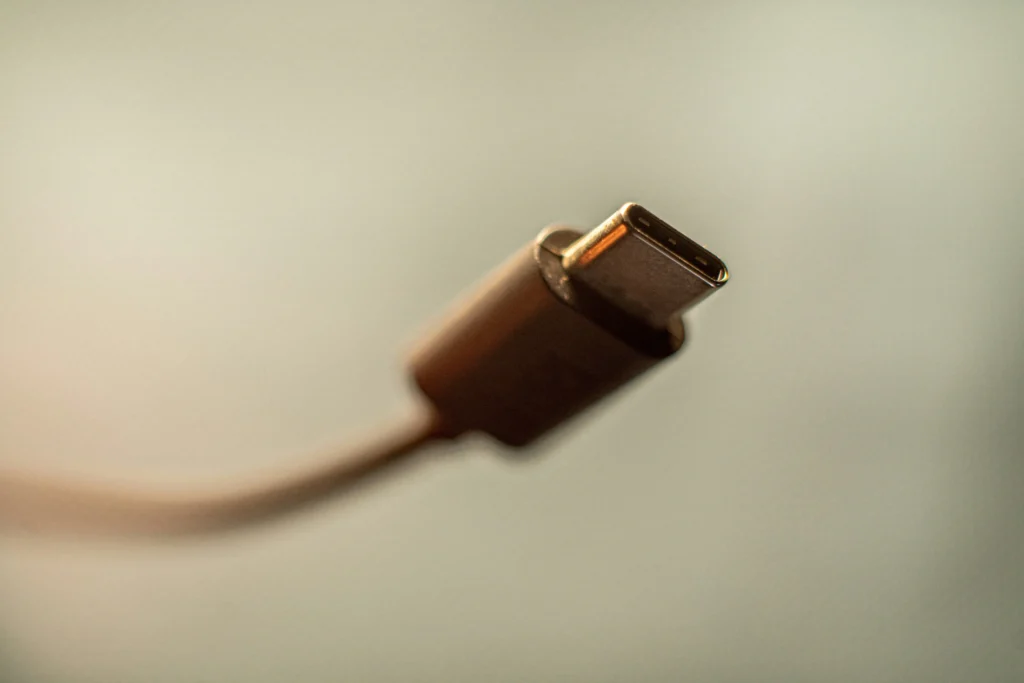
This physical connector standard stands out for its fully symmetrical and reversible design, eliminating the old hassle of trying to connect the cable in the wrong position.
Unlike its flat mechanical predecessors, it incorporates multifunctional pins capable of transmitting high-power electrical energy, digital video signals, and high-speed data simultaneously.
This extraordinary versatility has allowed manufacturers of smartphones, laptops, headphones, and tablets to use a single physical port to meet a variety of communication needs.
To deepen your knowledge about the development and technical specification standards of this connector, consult the official documentation of [link/source]. USB Implementers Forum (USB-IF), the entity that coordinates the advancement of this technology.
With this mass adoption by hardware developers, the corporate market is rapidly moving towards the definitive end of exclusive and proprietary ports for each brand.
Consequently, the consumer gains the ability to charge multiple electronic devices using only one reliable cable, considerably reducing the need for extra adapters.
How does standardization reduce electronic waste on the planet?
The chaotic proliferation of specific cables created by different industries has, for decades, generated tons of useless discarded accessories that quickly became obsolete.
By consolidating the universal USB-C connections With the standard factory setup, users no longer have to discard perfectly functional cables when switching phones or computers.
This strategic shift allows major brands to sell their devices without the mandatory inclusion of chargers in the box, drastically reducing shipping packaging.
In this way, the life cycle of energy accessories increases significantly, aligning consumption efficiency with urgent environmental commitments for global preservation.
| USB version | Maximum Bandwidth | Maximum Energy Capacity (PD) | Additional Supported Features |
| USB 2.0 (Port C) | 480 Mbps | Up to 60W | Charging and basic data only. |
| USB 3.2 Gen 2 | 10 Gbps | Up to 100W | Video transmission (DisplayPort Alt Mode) |
| USB4 Gen 3x2 | 40 Gbps | Up to 240W | Support for 8K monitors and PCIe connections. |
| Thunderbolt 4 | 40 Gbps | Up to 240W | Data tunneling and multiple monitors |
What are the technical speed and energy limits of this standard?
The performance of a port equipped with this physical technology varies considerably depending on the logical data transfer protocol configured by the manufacturer.
Using the latest power delivery specification, known as Power Delivery (PD 3.1), the cable is capable of carrying heavy loads of up to 240 watts.
This means that even robust, high-performance graphics laptops can be powered directly by this extremely compact and fast universal connection.
Read more: Transfer contacts to a new phone without losing data.
In terms of pure data speed, ports compatible with USB4 and Thunderbolt 4 can achieve astonishing transmission rates of 40 gigabits per second.
This high bandwidth facilitates the simplified connection of powerful external graphics cards and extremely fast, professional-grade SSD storage drives.
Therefore, a single connector can simultaneously manage power transmission, access to peripheral devices, and sending images to auxiliary monitors.
Why have new global laws accelerated the adoption of this technology?
The government's decision to create unified standardization legislation dramatically accelerated an industrial transition that had been occurring slowly and very gradually.
The European Union led this movement by approving the mandatory use of a common connector for all rechargeable portable devices sold within its territory.
This legal ruling forced even the historically most resistant brands to abandon their proprietary solutions in favor of adopting the global and reversible standard.
Know more: Facts about universal USB-C connectivity and its global practical impact.
To keep up with the progress of consumer rights and national technical standards for the certification of electronic telecommunications equipment, visit the portal of... National Telecommunications Agency (Anatel), responsible for product approval in Brazil.
Other economic blocs and major countries have adopted very similar legislative guidelines, shielding electronics users from old monopolistic market practices.
As a practical result of these global political pressures, the technological ecosystem has definitively become more integrated, open, ecologically responsible, and accessible to all.
The simplified future of intelligent data and energy integration.
The advance of universal USB-C connections This demonstrates how cooperation between governments and major technology manufacturers can significantly improve consumers' daily lives.
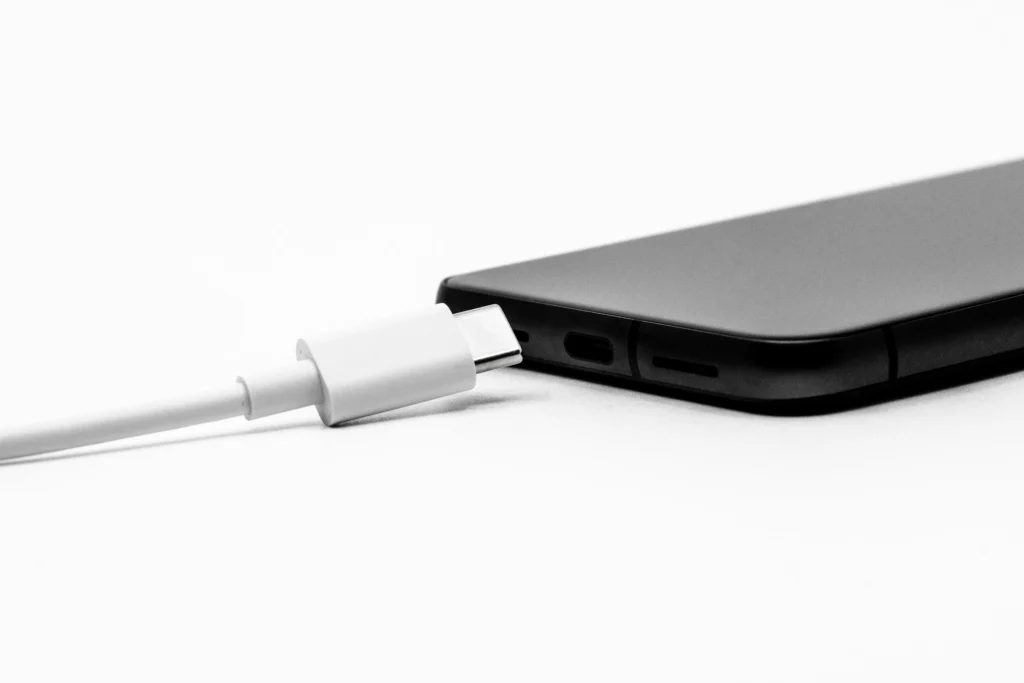
The simplification of the cable ecosystem allows us to interact with our favorite mobile devices without the constant worry of carrying multiple heavy adapters in our backpacks.
Read more: Universal USB-C connectivity and its impact on consumers.
Investing in quality accessories manufactured to the correct technical specifications protects the health of your battery and ensures optimal practical performance.
Enjoy this era of total electronic compatibility to boost your daily productivity, reduce unnecessary consumption expenses, and support truly sustainable environmental disposal practices.
Frequently Asked Questions (FAQ)
Do all USB-C cables offer the same data speed?
No, although the physical shape of the plug is identical, the internal data speed depends exclusively on the logical protocol used in the cable, ranging from USB 2.0 to USB 4.
Can I charge my laptop using my cell phone charger?
Yes, the Power Delivery system intelligently adjusts the correct charging voltage, but laptop charging will be considerably slower if the cell phone charger offers low power.
Are USB-C and Thunderbolt 4 specifications exactly the same?
No, USB-C refers solely to the form factor of the external physical connector, while Thunderbolt 4 is an advanced hardware technology that demands high speed and performance.
Does using this universal charger cause the battery to wear out faster?
No, as long as the accessories are properly certified by official regulatory bodies, the integrated smart technology manages energy to prevent overheating and damage.