Tips for protecting your privacy on social media
Adverts
Protecting privacy on social media is an increasingly urgent challenge in 2025.
The heavy use of these platforms exposes millions of people daily to risks ranging from improper data collection to social engineering scams.
The truth is simple: every time you like, comment, or share something, you leave a digital trail. But to what extent do you control it?
Summary:
Adverts
- Why digital privacy has become a global priority
- How to set up accounts intelligently
- Be careful with third-party applications
- The impact of the content you share
- Practical examples of protection
- Current statistics on online safety
- Frequently Asked Questions
Why digital privacy has become a global priority
In recent years, data breaches have shown that neglecting personal information can have serious consequences.
In 2024, the Norton Cyber Safety Insights Report revealed that approximately 36% of internet users worldwide have had personal information exposed in privacy incidents.
This reality reinforces the need to adopt conscious habits.
Privacy is no longer just a technical detail and has become a matter of digital citizenship.
After all, how can you protect your reputation, your contacts, or even your financial life without clear security measures?
Furthermore, the pressure on companies to increase transparency has never been higher.
Regulations such as LGPD in Brazil and the GDPR in Europe have created strict standards, but it is the user who needs to take an active role.
It is not enough to rely only on laws: protect privacy on social media is a shared responsibility between platforms and individuals.
+ What is encryption? See how it works now!
How to set up accounts intelligently
The first step to protect privacy on social media is to review the settings for each platform.
Although it may seem obvious, most users adhere to the standards set by companies — and that's exactly where the risk lies.
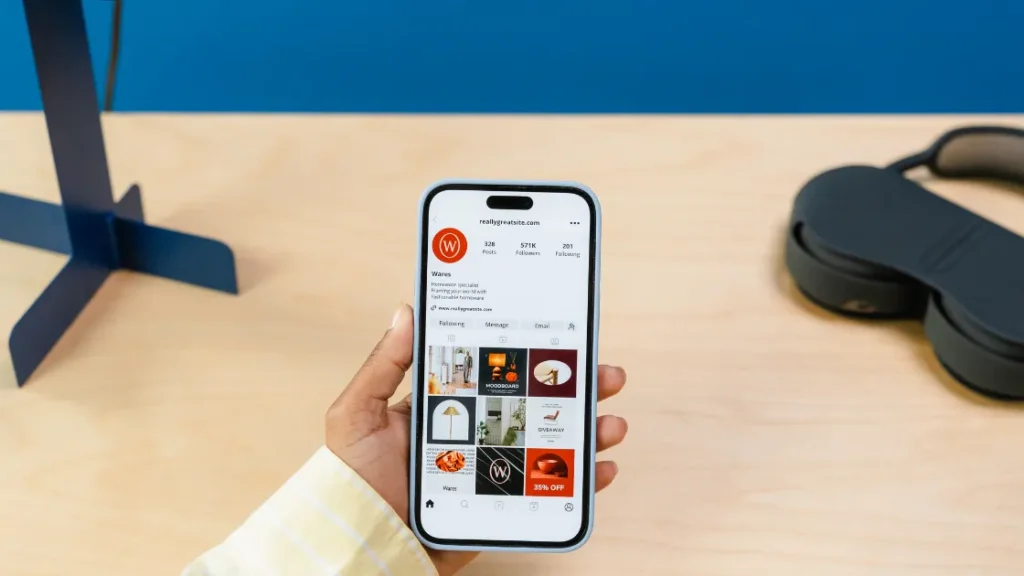
Networks like Instagram, Facebook, and TikTok offer layers of control over who can see your posts, comments, and even your friends list.
Adjusting these permissions dramatically reduces exposure.
Another effective measure is to enable two-factor authentication. This feature acts as a second key: even if someone discovers your password, they won't be able to access your account without the additional code sent to your phone or authenticator app.
It's also worth exploring lesser-known features, such as the option to limit unwanted interactions or hide specific words in comments.
These tools give you greater control over what appears on your page, enhancing the experience and reducing the chance of digital harassment.
+ How to find out if your cell phone has a virus and what to do
Protecting your privacy on social media: Be careful with third-party apps
Many users are surprised to find that games, fun quizzes, or even productivity extensions can request unnecessary permissions.
Accepting these accesses without attention means opening the door to the mass collection of personal data.
Think of apps as guests in your home. Would you allow a stranger to access your room, wallet, or private conversations?
The same logic applies to the digital environment. This analogy makes it clear: every permission granted can become a vulnerability.
To minimize risks, periodically review applications connected to your accounts and revoke access to any that are no longer used.
Another important point is to avoid quick registrations using “Login with Facebook” or “Login with Google”.
While practical, they increase data interconnection between platforms, expanding the display surface.
It's also recommended to keep up with technology news. Many apps have already been reported for abusive data collection practices.
Being informed is an essential part of protect privacy on social media with awareness and autonomy.
Read too: How to Protect Your Children in the Digital World
The impact of the content you share
Danger doesn't always come from outside. Often, overexposure comes from the user themselves.
Real-time travel photos, location-activated posts, or even data like full name and phone number leave clues that can be exploited by scammers.
Sharing is natural on social media, but it's worth considering: would you share this information with a stranger on the street? This simple question can change your relationship with the digital world.
A practical example: when posting photos of their child's first day of school, some parents end up showing uniforms with school logos or city landmarks.
This type of detail provides sensitive information that could compromise the family's safety.
Another example: professionals who post work badges, invitations to private events or contracts on open networks without realizing that such documents reveal identification numbers, addresses and internal company data.
Furthermore, it is important to consider that published information is unlikely to disappear completely, even when deleted.
Screenshots, reposts, and even archiving tools can keep a record of content.
Therefore, thinking before publishing continues to be the best way to protect privacy on social media.
Current statistics on online safety
The growing concern about privacy is no wonder. According to the Statista report (2024), more than 641,000 internet users have adjusted their privacy settings on at least one social network in the last year.
This demonstrates greater awareness, but also the complexity of the problem.
See the table with relevant data:
| User action (2024) | Global Percentage |
|---|---|
| Adjusted privacy settings | 64% |
| They have enabled two-factor authentication | 52% |
| Revoked access from third-party applications | 41% |
| They stopped sharing real-time location | 38% |
These numbers make it clear that privacy protection is an evolving collective effort, but still far from ideal.
It's interesting to note that despite advances, almost half of users still have duplicate passwords for more than one account.
This habit contradicts the pursuit of security and demonstrates how good practices need to be continually reinforced.
How small actions strengthen your security
You don't need to be a tech expert to create solid protective barriers. Small daily decisions can make a big difference.
- Review passwords frequently: prefer long, unique combinations with varied characters.
- Beware of networks Public Wi-Fi: avoid accessing social networks on open connections without a VPN.
- Educate family members: Children and the elderly also need to understand the risks of oversharing.
Want a simple comparison? Protecting your digital privacy is like closing your front door: the neighborhood might seem safe, but leaving the door open increases the risk of trouble.
Another relevant habit is to periodically review your own timeline.
Older publications can often contain information that you wouldn't want to keep publicly available today. Reevaluating this content helps reduce risks and reinforce digital awareness.
Conclusion
Protecting privacy on social media is no longer an option; it's become a necessity. The digital world is fertile ground for opportunities, but also for threats.
Adjusting settings, limiting sharing, and reviewing connected apps are simple steps that offer a big security payoff.
The question is inevitable: how much is your online peace of mind worth? The answer lies in the balance between enjoying social media in a healthy way and maintaining control over your own information.
Protecting Privacy on Social Media: Frequently Asked Questions (FAQ)
1. How do I know if my information has been exposed?
There are services like “Have I Been Pwned” that allow you to check if your emails or passwords have appeared in known breaches.
2. Is it safe to use SMS authentication?
It's better than having no extra protection, but authenticator apps are considered more trustworthy because they reduce the risk of interception.
3. Should children have social media?
Ideally, use should be supervised. Parental controls help limit interactions and reduce exposure.
4. Which social networks offer the most privacy features?
Instagram, WhatsApp, and TikTok have invested in new controls, but users need to explore them and configure them according to their needs.